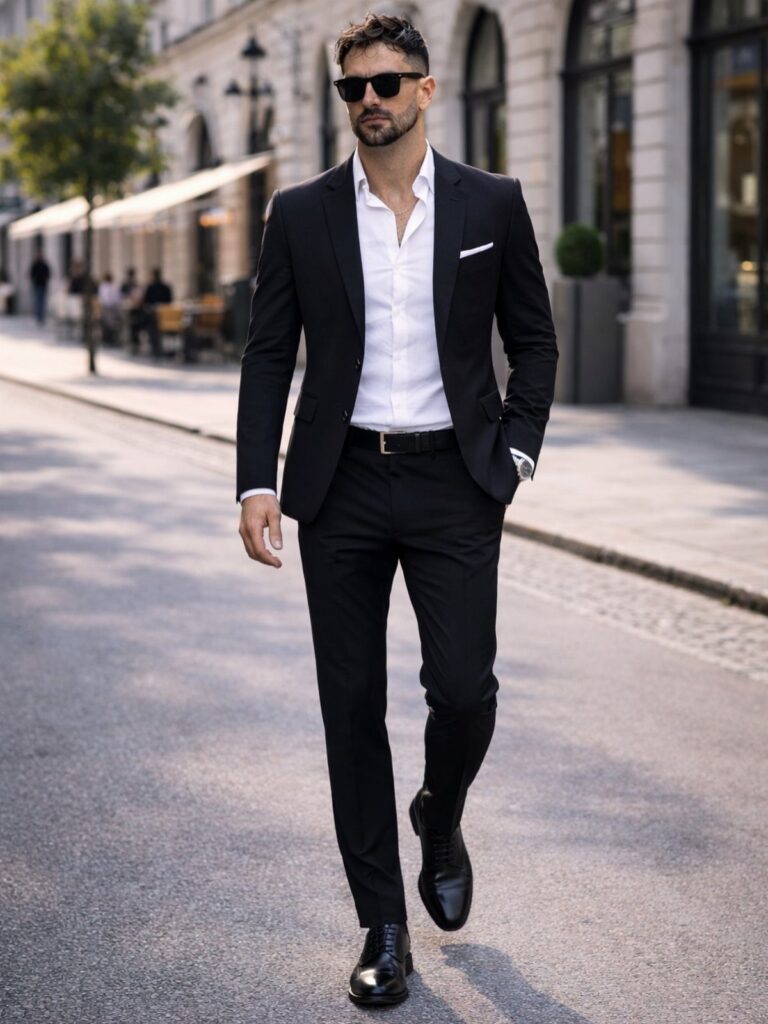
The same black jacket can read as serious or as loud depending on the room, so the event should pick the outfit: a white dress shirt for a meeting, an embroidered jacket for a party.
If the dress code is unknown, start with the white dress shirt and dress trousers, and check the shoulder fit before anything else, since a tailor cannot easily rebuild them.
1. Black Blazer and White Dress Shirt
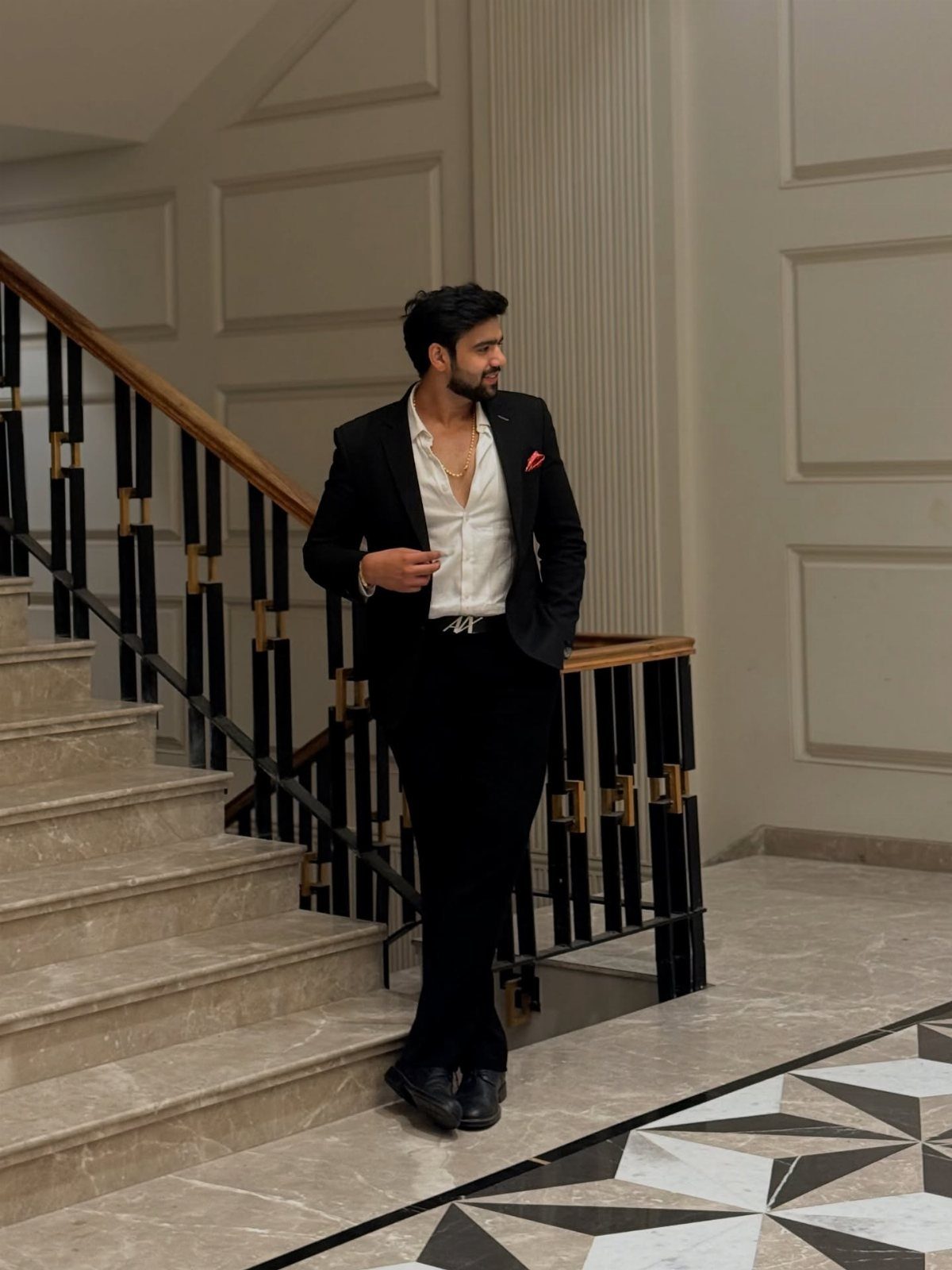
Black on top, white underneath, black below: the simplest contrast a blazer can make. With the shirt left open at the collar and the jacket unbuttoned, it reads relaxed rather than stiff.
Keep the shirt crisp and truly white, since a dingy one looks worse against black than any other color would.
Black shoes and a black belt finish it. I’d skip the tie unless the event calls for one.
2. Black Blazer with a Graphic Tee
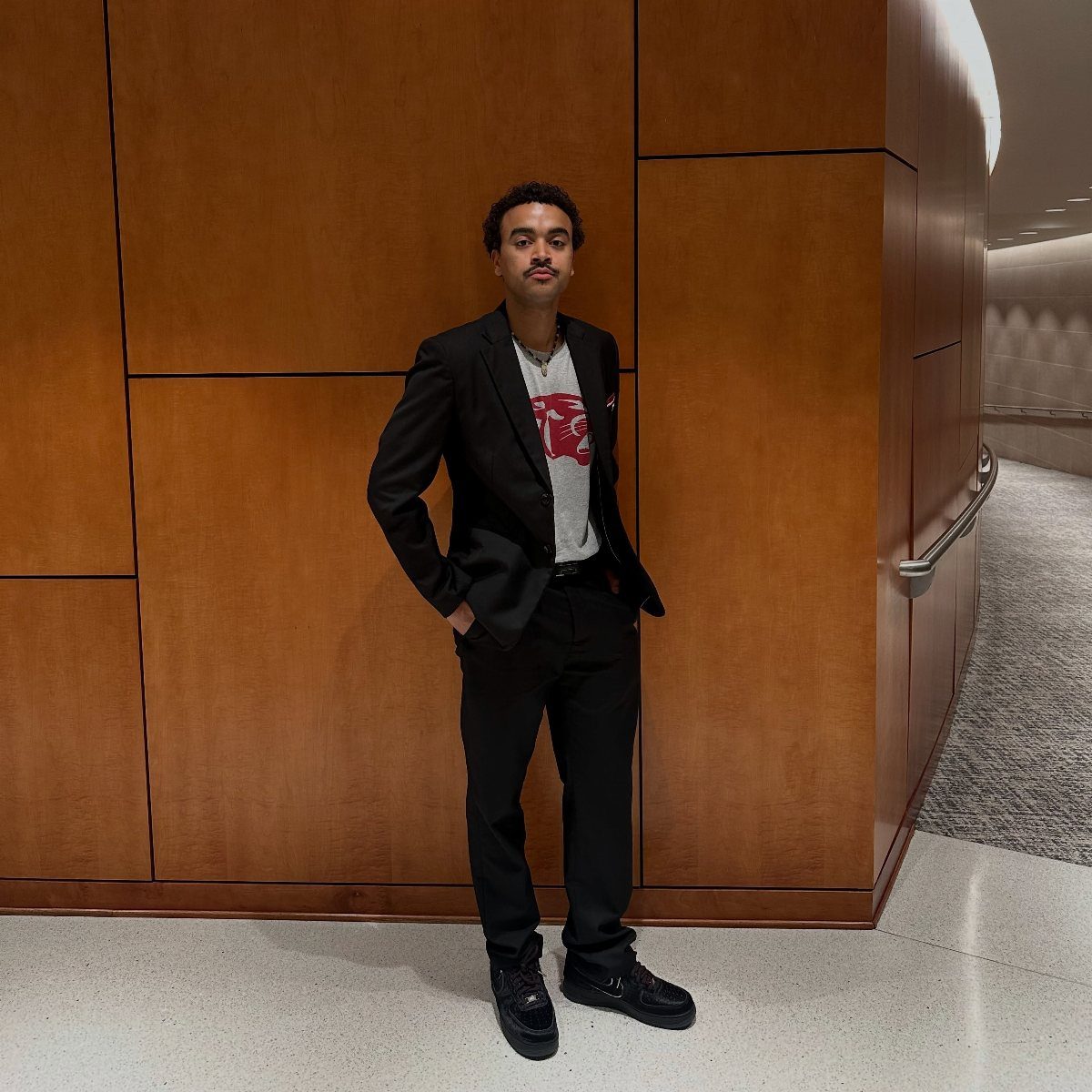
A graphic tee is the fastest way to make a black blazer feel off-duty. Pick a tee in a grey or a muted color, with one graphic, so the jacket and the shirt don’t compete.
Black trousers and black sneakers keep the outfit tidy.
The jacket does the dressing up, and everything else can stay casual. Skip it for office days or formal events, where the tee will undercut the blazer.
3. Black Blazer with a Pocket Square
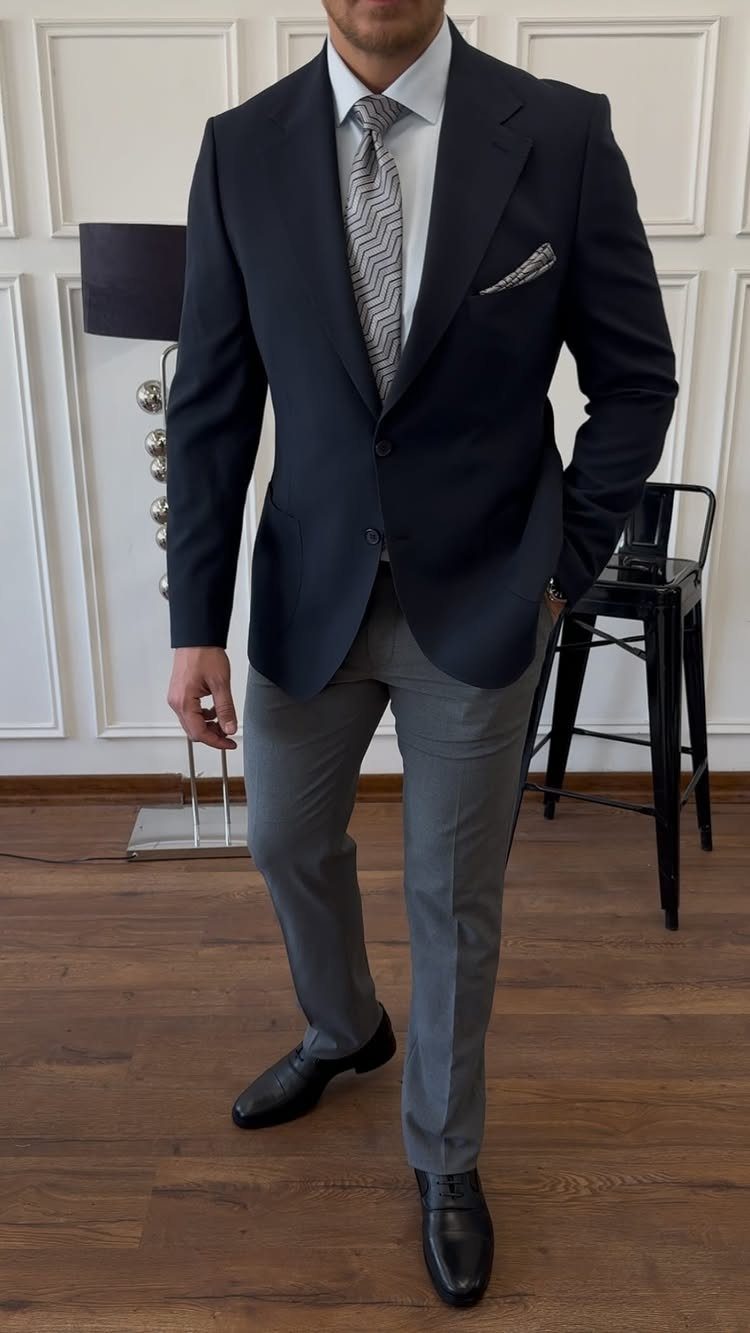
Nothing changes a plain black blazer as cheaply as a patterned pocket square. It gives the chest a point of interest without adding a single layer.
Pull a color from the tie so the two look related, but don’t match them exactly.
Grey dress trousers and black leather shoes are the safest base under a pocket square, and a white or light blue shirt keeps the fold and any pattern in the square easy to see.
Fold it simply, with a little showing above the pocket.
4. Black Blazer Over a Turtleneck
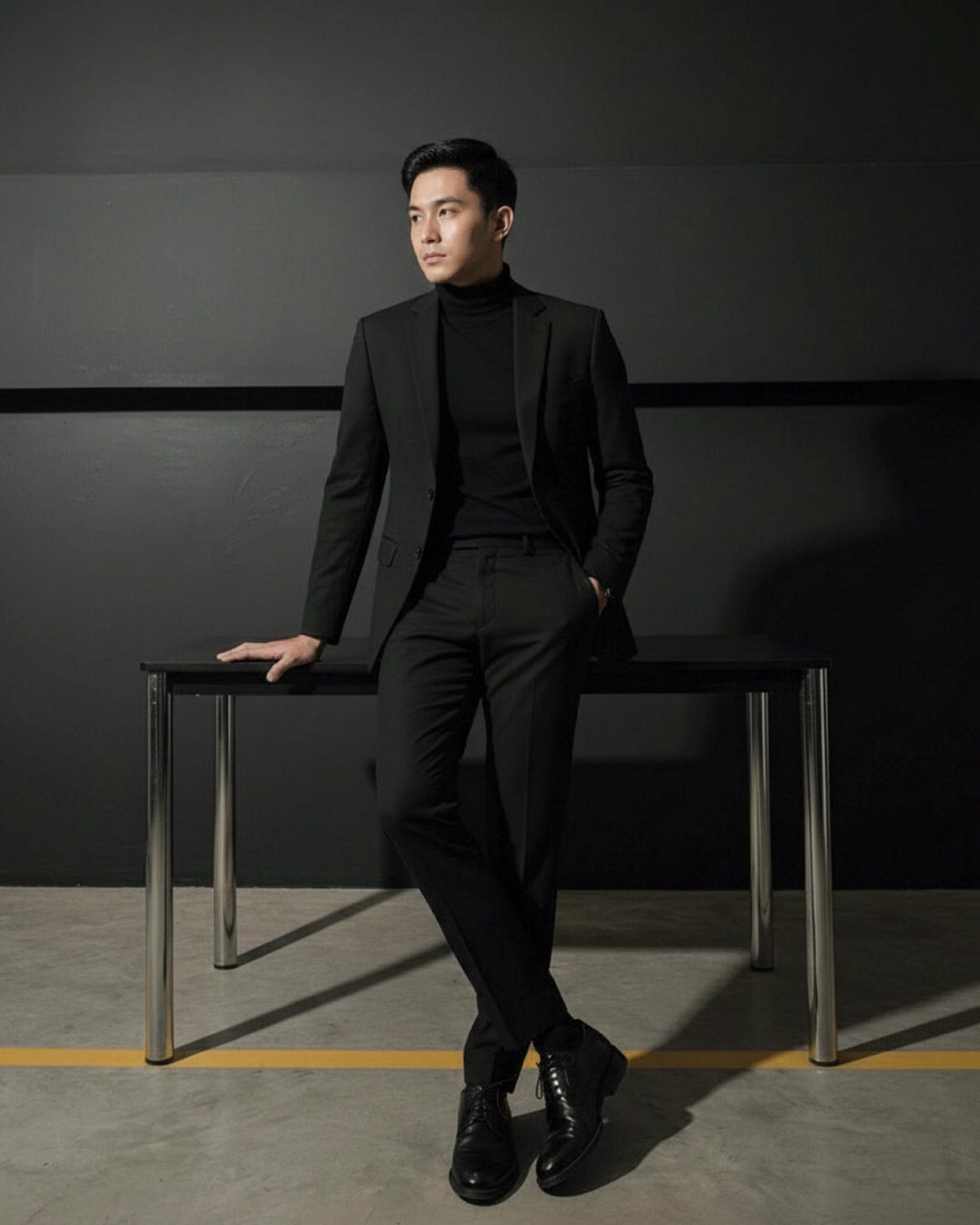
For me, a black turtleneck under a black blazer beats a shirt and tie when the evening is cool and the dress code is loose. The neckline is clean, there’s no collar to fuss with, and the look stays sleek.
Wear matching trousers and dress shoes so the outfit looks like one deliberate piece.
A fine-knit turtleneck sits flatter under the jacket than a chunky one, which bunches at the shoulders. Add a watch for some contrast.
5. All-black Outfit with Dress Shirt
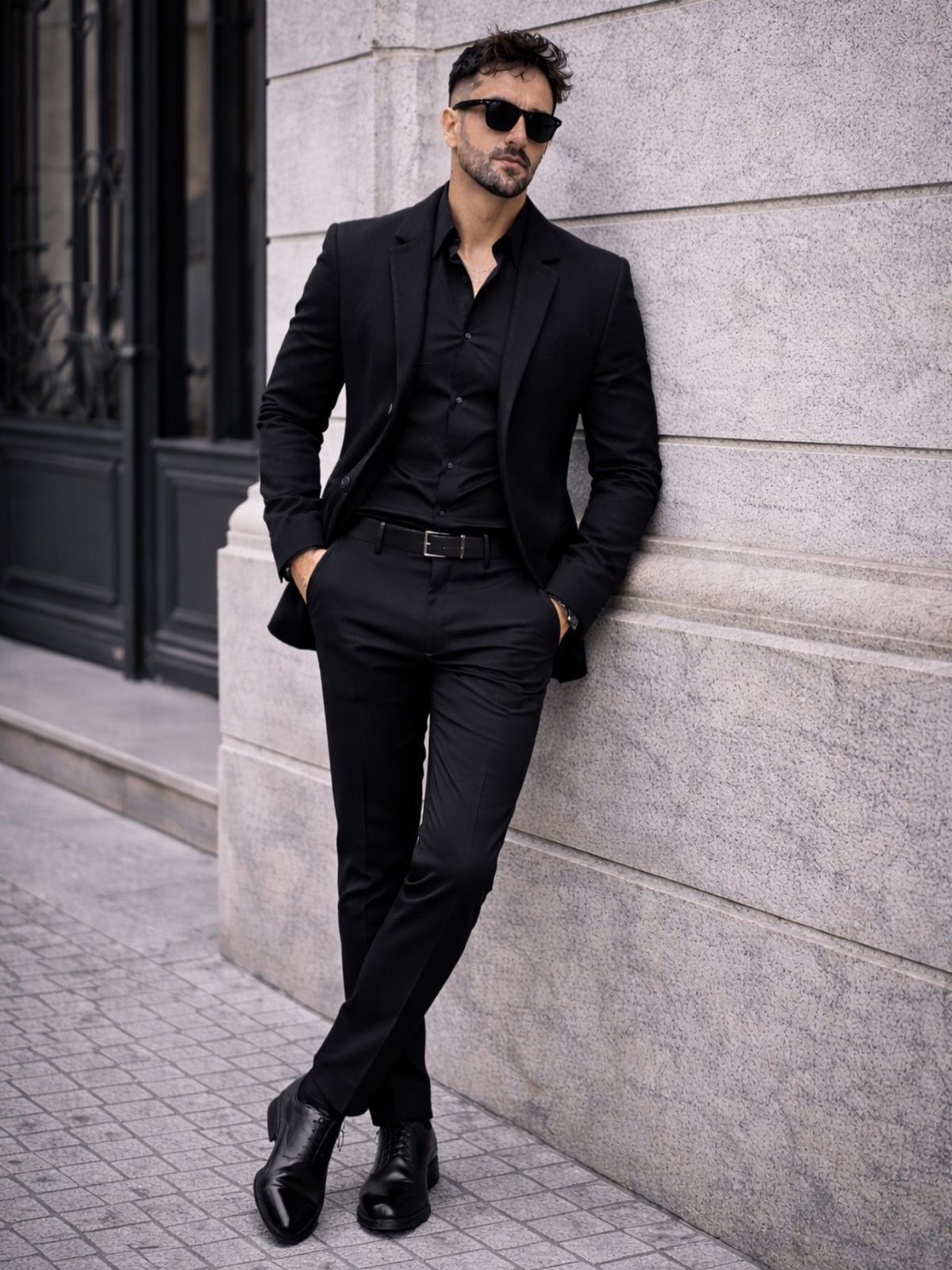
Black on black asks for variety in texture, because one flat tone can look like a uniform. A black button-down under a black blazer, with black trousers and polished black shoes, gets its depth from the finish of each piece.
Shiny shoes against matte fabric help a lot.
Sunglasses add to the mood, though I’d keep them for outdoor settings. This look suits evenings best; in harsh daylight, cheap black fabric shows its flaws.
6. Three-piece Suit with Waistcoat
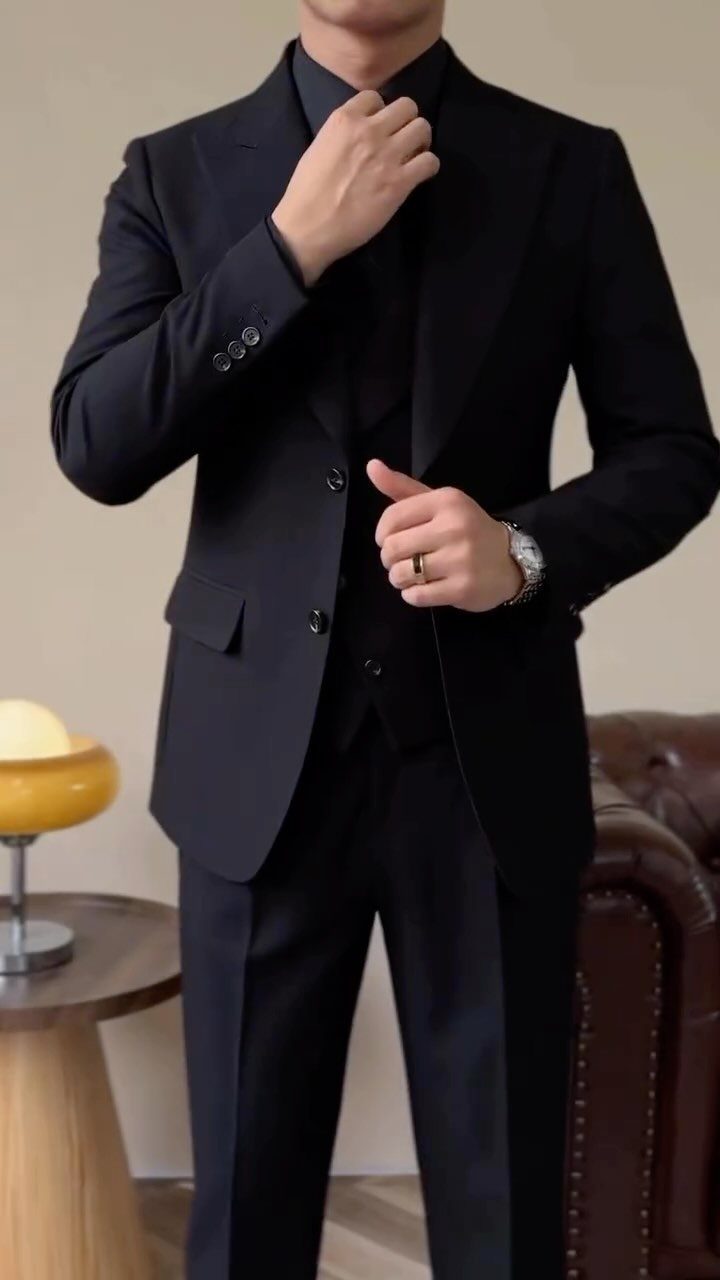
A waistcoat turns a blazer and trousers into a three-piece suit, and the black version is the most serious one you can wear. Matching fabric across all 3 pieces keeps the line unbroken.
A dark dress shirt underneath makes the whole outfit moodier than white would.
The waistcoat should sit snug and cover the waistband, and the bottom button is traditionally left undone. Plan on a tailor visit, since a loose waistcoat spoils the effect.
7. Embroidered Black Statement Blazer
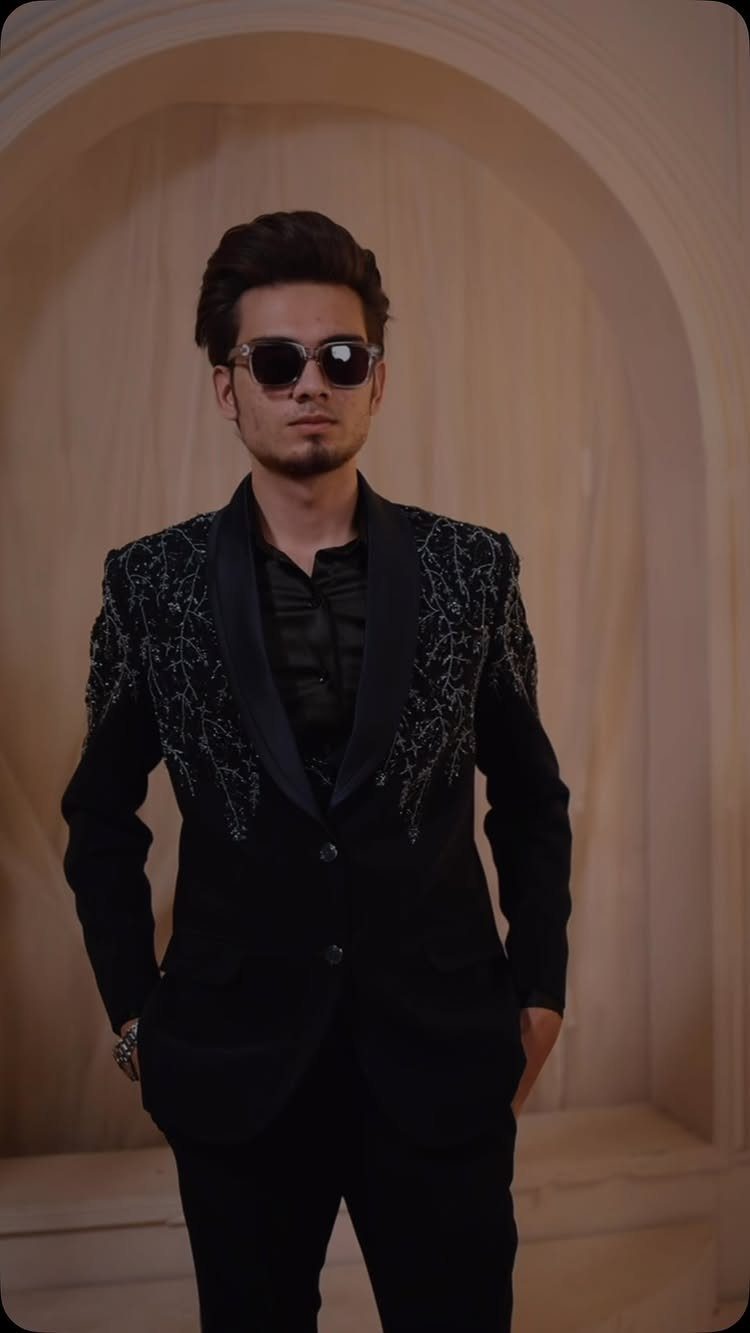
Silver embroidery across the shoulders and lapels turns a black blazer into the one loud piece in the outfit, so everything around it should stay quiet.
A black collared shirt under an embroidered blazer keeps the eye on the stitching, since tone-on-tone color leaves the detail as the only thing to look at.
Skip the pocket square and any patterned shirt, because they would fight the detail. Plain black trousers and simple shoes are enough.
I’d save this for evenings, parties and events where being noticed is the goal. In an office or at a formal event, it will read as too much.
Importance of Versatility
A black blazer works at both ends of the dress code because the jacket stays the same and the pieces around it change.
Pair it with a white dress shirt and dress trousers for a business meeting or a job interview, where black reads as serious and polished.
A patterned shirt is fine here, since black sits quietly behind most colors and patterns.
This is why I’d buy one good black blazer before a third or fourth colored one. A quality piece gets worn across more occasions, and black doesn’t date the way a trend color does.
Before you buy, check the fit at the shoulders, since a tailor can adjust a lot but cannot easily rebuild them. A jacket that fits there will look right whether it’s dressed up or down.
Frequently Asked Questions
Which color shirt goes with a black blazer?
White is the safest pick, as long as it’s crisp and truly white, because a dingy one looks worse against black than any other color.
A black shirt works for an all-black evening look, and a grey or muted tee works for a casual one.
What is the rule of wearing a blazer?
Fit comes first, and the shoulders matter most.
Shoulders are the one spot a tailor can barely rebuild, so I’d pick the jacket that fits there first and let the rest be altered. Past that, match the formality of everything else to the occasion.
Is it okay to wear a black blazer?
Yes, it works at both ends of the dress code because the jacket stays the same while the pieces around it change.
With a muted graphic tee and black sneakers, it feels off-duty. Unlike a trend color, black won’t date the jacket, so it stays useful year after year.
Can a man wear a black blazer with blue jeans?
Yes, it makes a good casual look. Keep the top simple, such as a grey or muted tee with one graphic, so the shirt and jacket don’t compete.