How casual your office runs decides which of these looks is yours: a suit without a tie suits a stricter one, while a long-sleeve crewneck with jeans suits a relaxed one.
The ideas run from a suit you may already own to a brown wool overshirt standing in for a jacket, and most take no more than 2 or 3 pieces.
1. Work Blazer
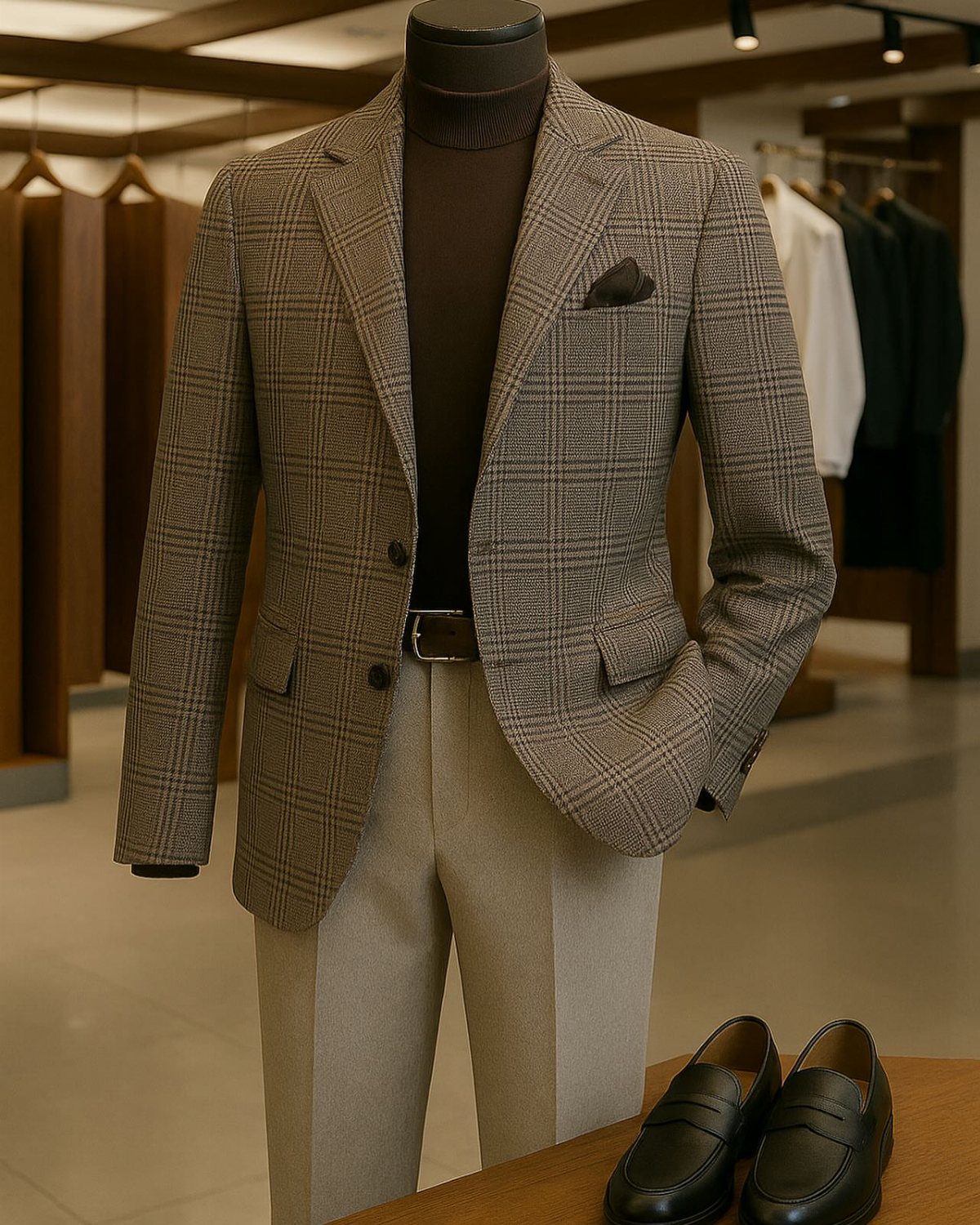
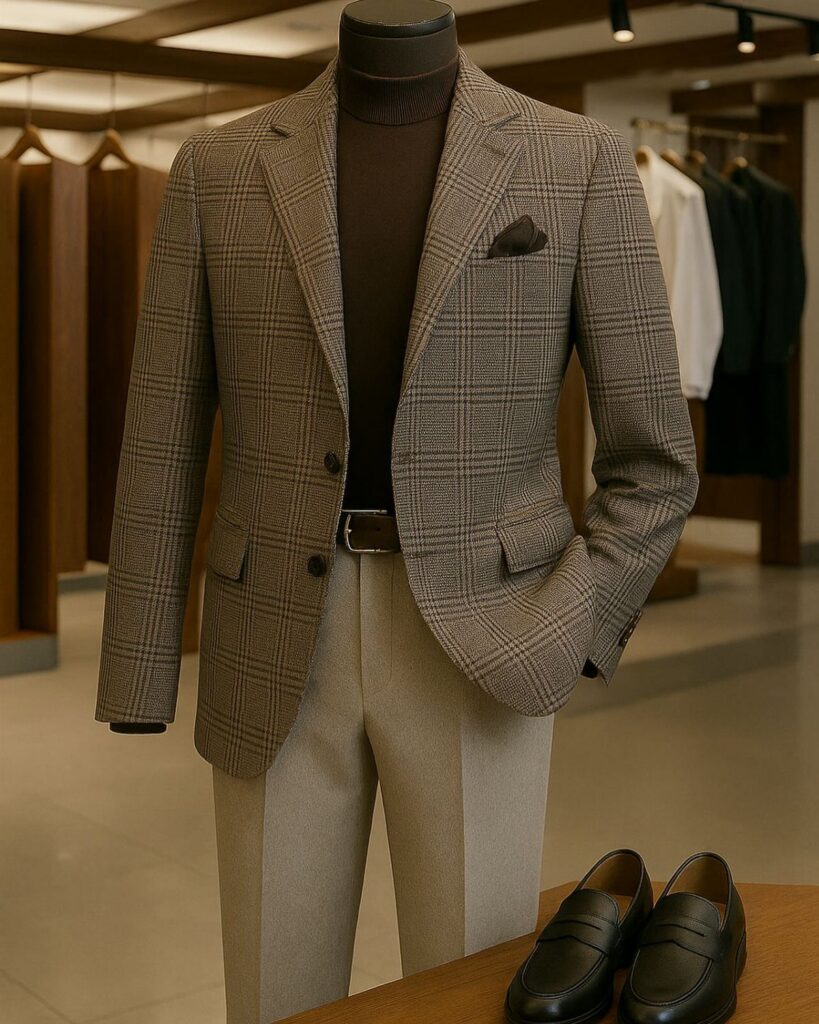
A plaid blazer in brown or gray does the work of a whole outfit.
For a casual office, I’d pick this over a solid navy jacket. Pattern adds interest without needing a tie or a dress shirt.
Keep the other pieces plain. One pattern is plenty, and loafers finish it without fuss.
2. THE POLO
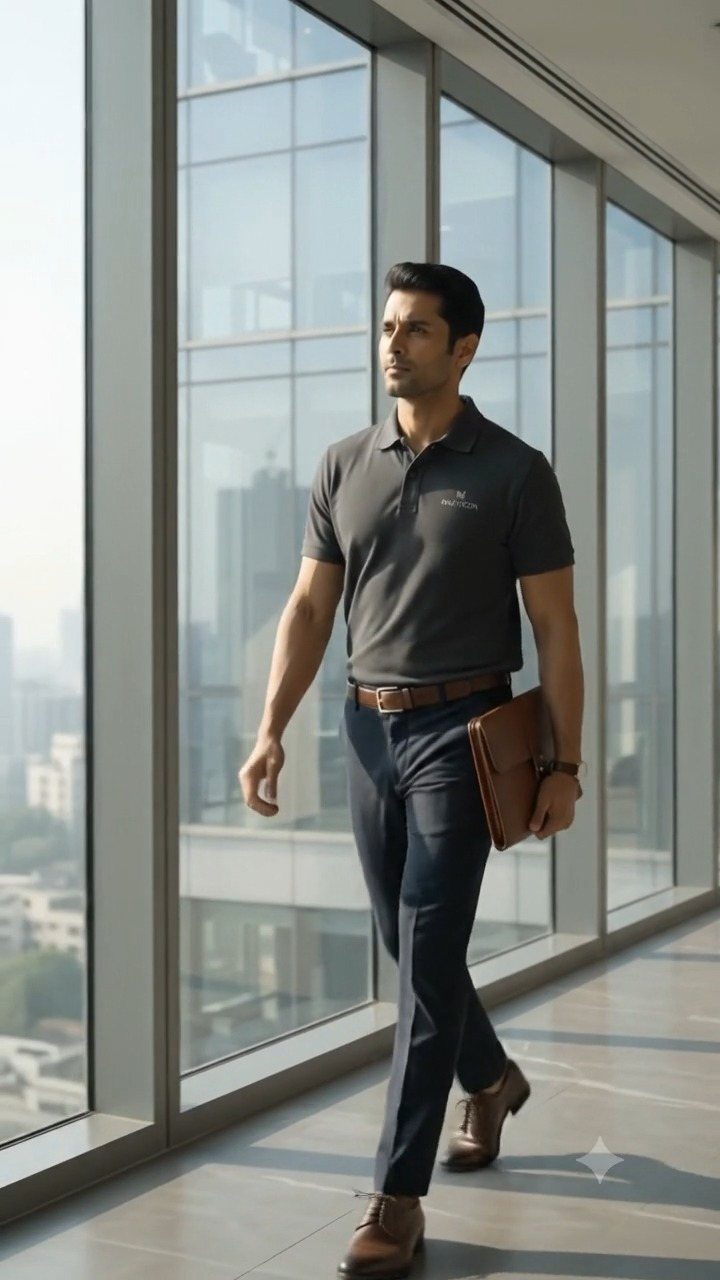
Swap the dress shirt for a polo and the office gets easier. A dark or gray knit collar looks neat with navy trousers, and it asks nothing of you as the day wears on.
I like polos best in muted colors, tucked in, with a leather belt and brown dress shoes. Brown shoes are what make it read as work clothes instead of weekend ones.
Skip anything with a large logo. A plain, well-fitted polo wins over a loud one every time.
3. Footwear Choices
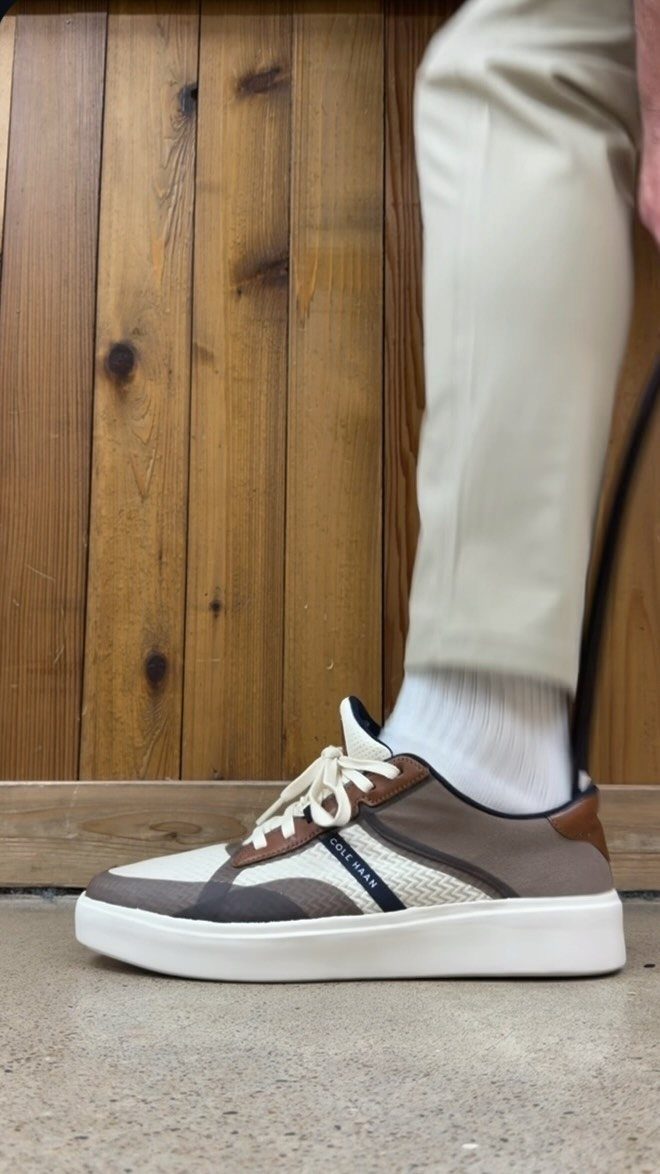
Shoes decide whether casual looks sloppy or sharp. Dress shoes, loafers and minimalist sneakers all work, and the sneaker should be leather in brown, cream or tan, not a running shoe.
With beige chinos, that kind of sneaker stays quiet. Its maker says its new dress shoes are meant to carry you from 9 to 5 and beyond, which is the right test for any pair you buy.
Loafers are my pick for the most formal offices. Sneakers suit relaxed ones.
4. Sports Coat + Button-Up Shirt + Chinos + Tie
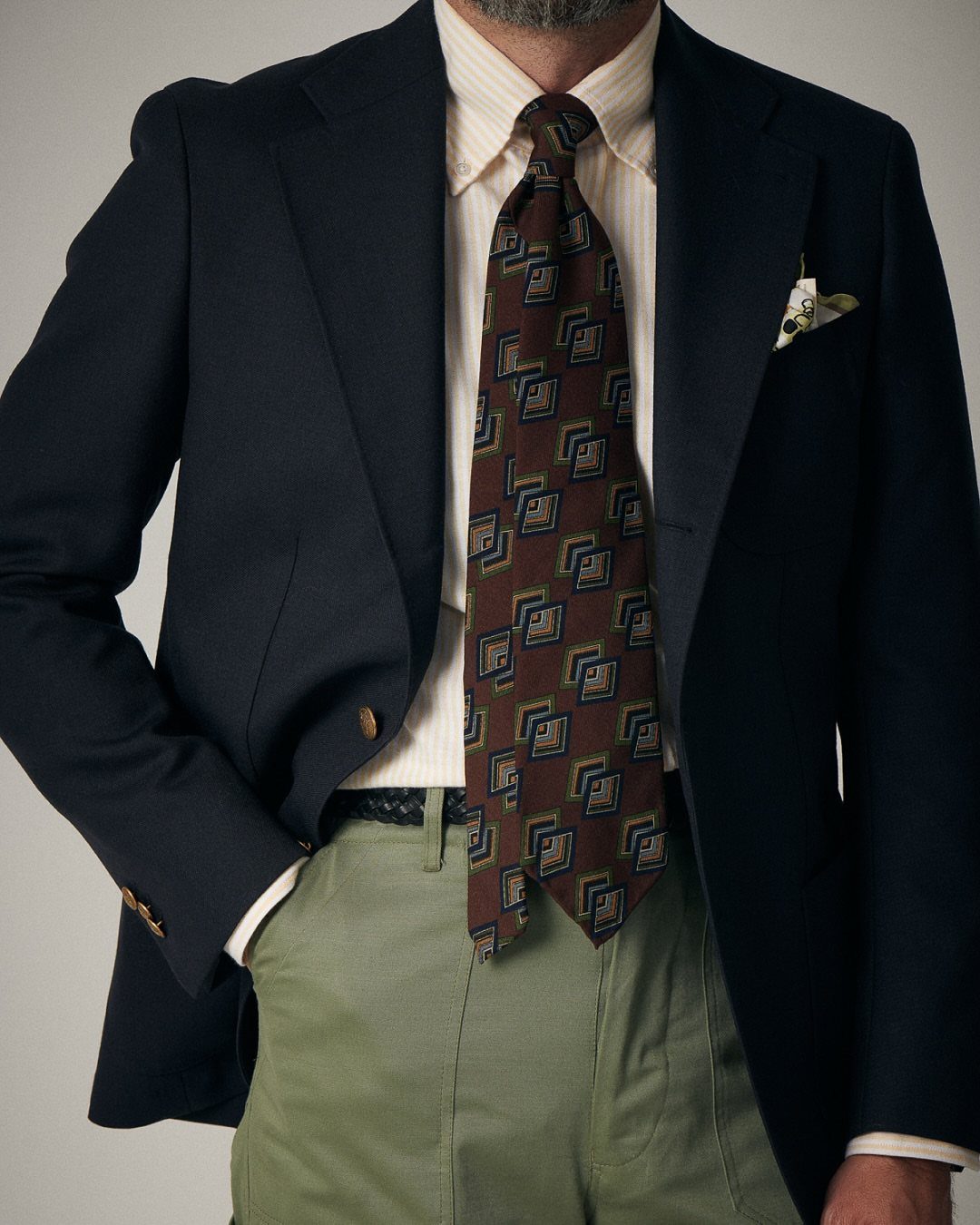
Navy blazer, striped shirt, patterned tie, olive chinos: this is business casual in its most recognizable form. Gold buttons add a traditional touch, and olive is an easy alternative to the usual khaki.
Keep one rule: let only one piece be loud. A striped shirt with a patterned tie works when the tie’s colors pick up the shirt, as they do here.
Wear brown leather shoes and a matching belt. Of every outfit here, this is the safest one, and that is where its appeal lies.
5. Smart Casual Suit Jacket Alternatives
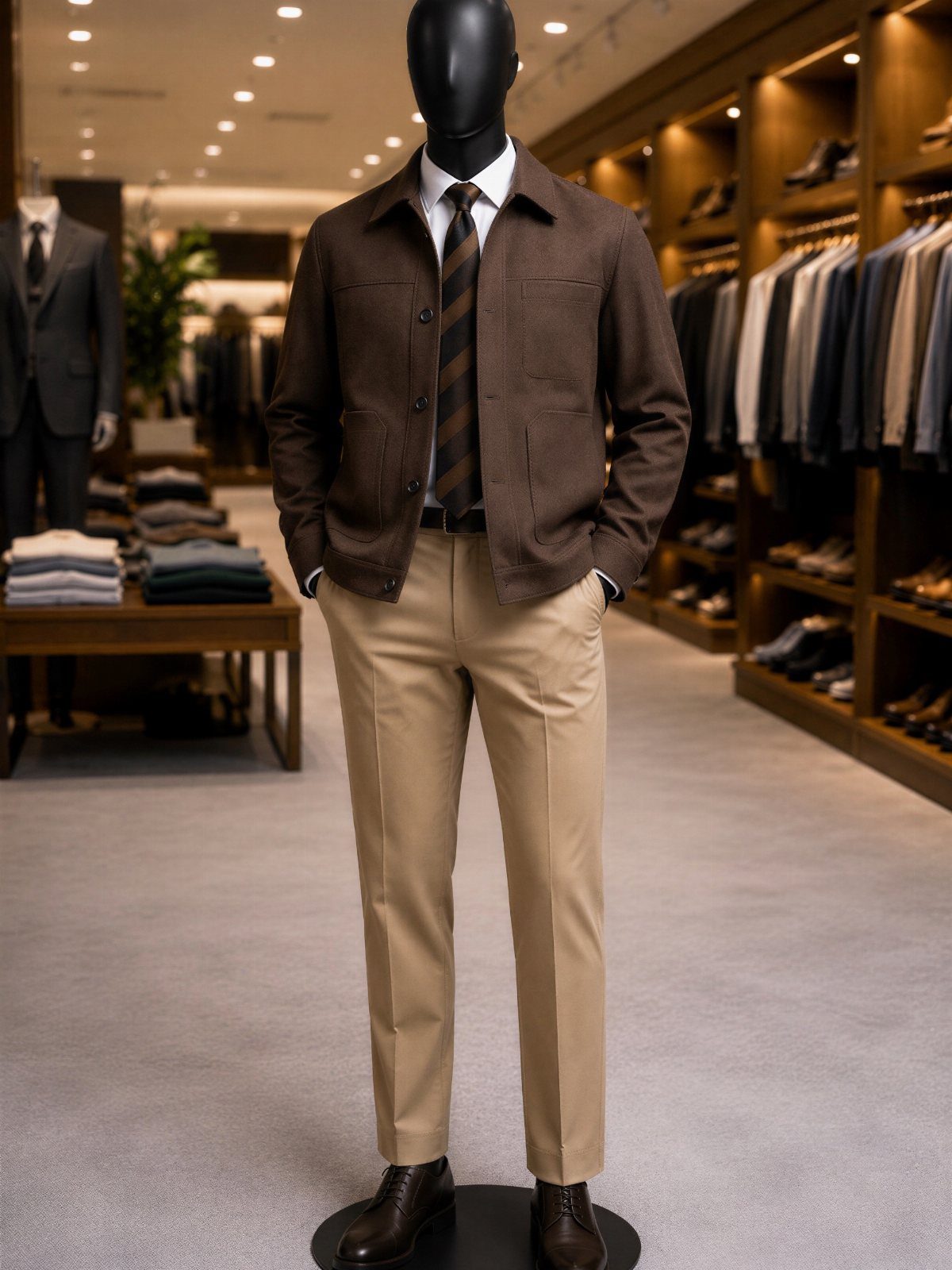
A brown wool overshirt can stand in for a suit jacket. Worn over a collared shirt and striped tie with tan trousers, it looks deliberate, and it’s softer and less stiff than tailoring.
I’d choose this when a blazer feels like too much but a bare shirt feels like too little. The tie keeps it professional.
Stay with earth tones so the layers blend. Leather dress shoes anchor the look and keep it from drifting into weekend territory.
6. Business Casual Definition
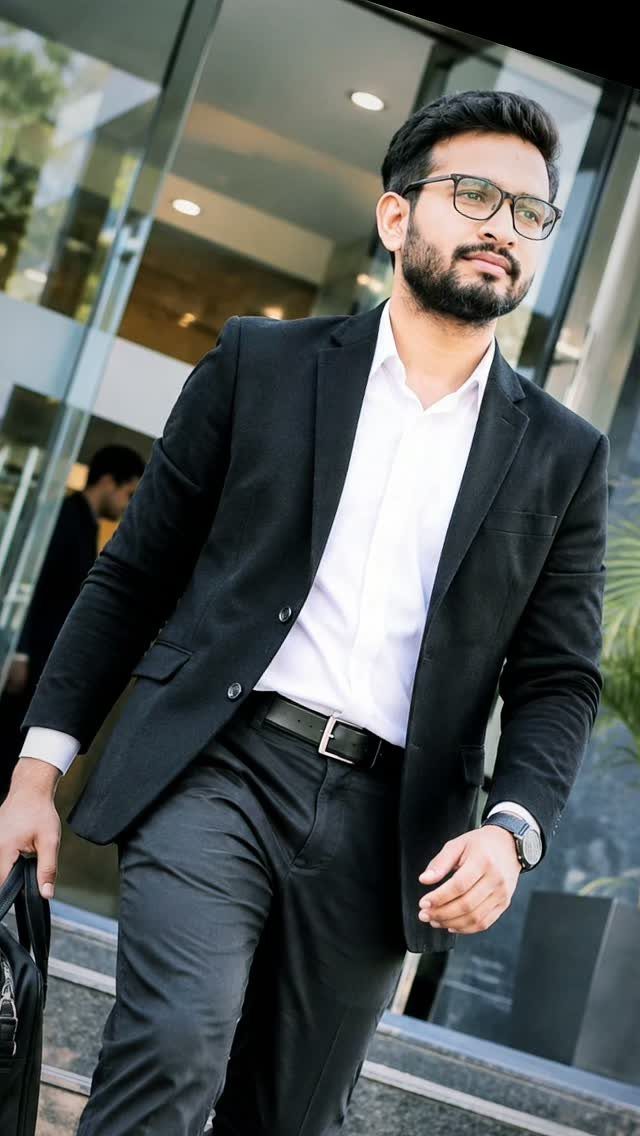
Business casual means professional pieces worn with a looser hand. A black blazer, white dress shirt and black trousers is the cleanest version: no tie, a black belt, and nothing to puzzle over.
All black and white is easy to get right because the colors can’t clash. It’s also cheap to build, since each piece will pair with plenty else you own.
If your office is stricter, add a tie. If it’s relaxed, lose the blazer.
Business casual is a way of dressing that’s more relaxed than formal business wear, but still comes across as professional.
— GQ
7. Long-Sleeve Crewneck with Jeans

A long-sleeve crewneck in solid white with dark jeans is about the easiest casual outfit to build. 2 pieces, no pattern, nothing to match.
For a relaxed office, I’d push the sleeves to the forearm and keep the jeans dark and free of rips or fading. Tan shoes keep it warm and a little dressed up.
Pick a crewneck thick enough that it doesn’t show through. Skip it for stricter offices, where a collar does more for you.
8. Suit Jacket Over Crewneck Sweater
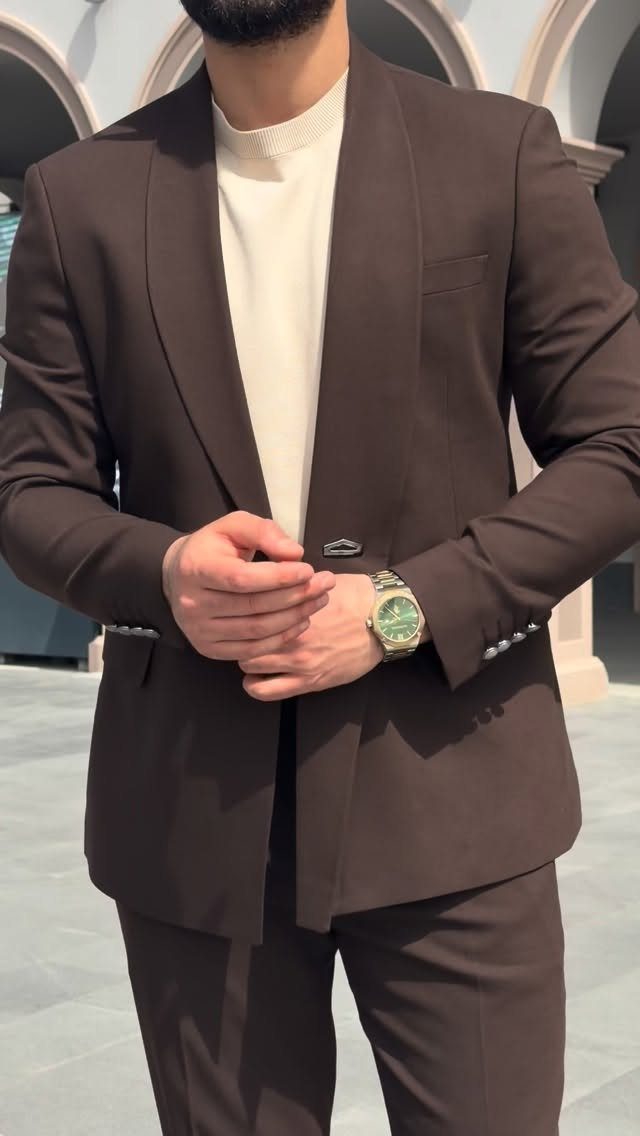
Cream knit under a dark brown suit jacket gives you a softer version of tailoring. With matching trousers, the outfit still reads as a suit, only without a shirt and tie.
I like it because the sweater replaces 2 pieces at once. Keep the knit thin enough to sit smoothly under the jacket, and let the lighter cream do the contrasting.
The cost is warmth in a heated office, so choose a fine knit. Wear the jacket buttoned or open; both work.
9. Suit Without a Tie
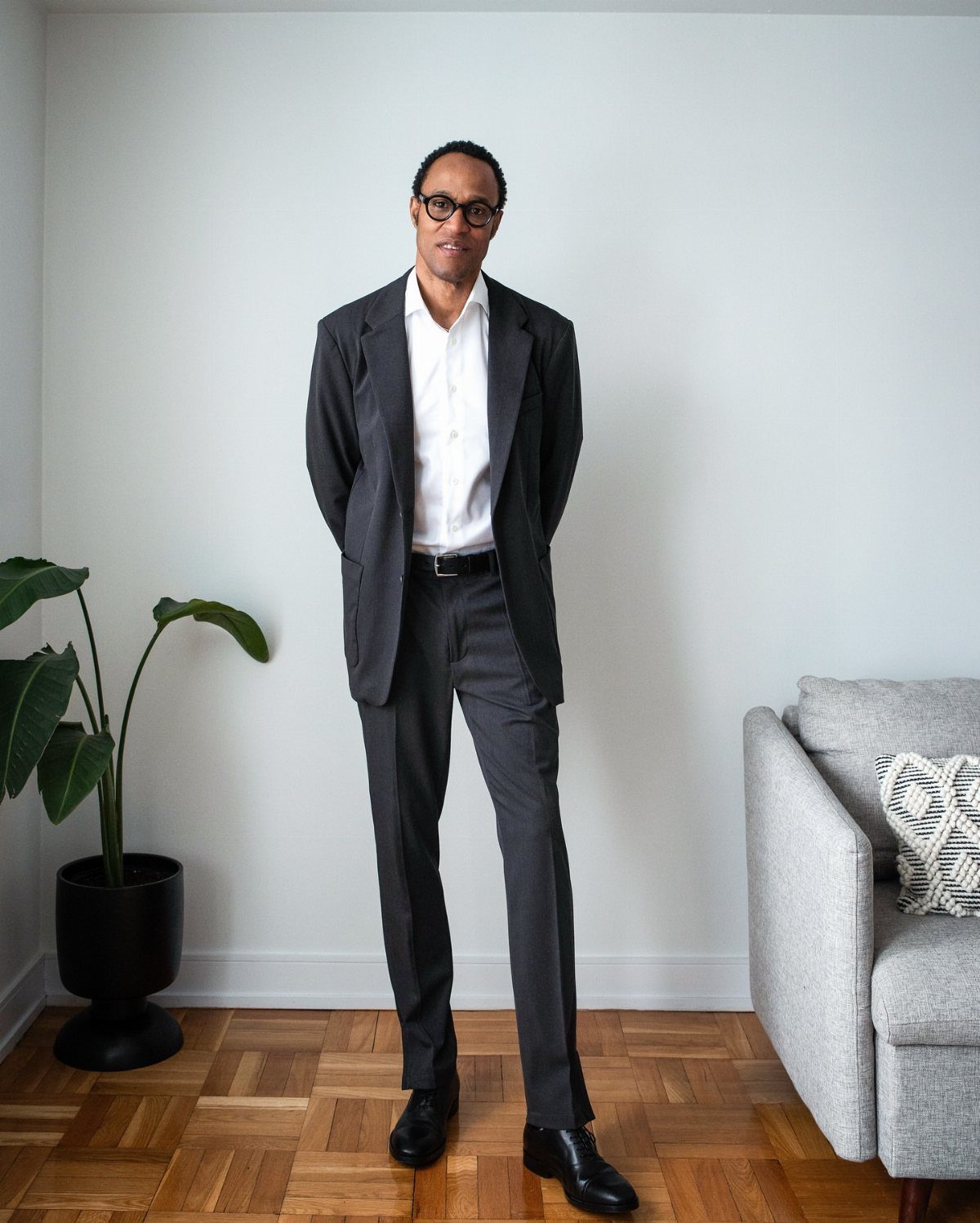
A dark gray suit with a white shirt open at the collar is business casual without a single new purchase if you already own the suit. Losing the tie is the whole change.
Leave the top button undone, no more.
Any further and it looks like evening wear. Black leather dress shoes keep the outfit formal enough for the office.
Choose a collar that stands up on its own, since it has nothing to lean against. Wear it unbuttoned when moving around the room, and button it for meetings.
Casual Fridays
Casual Friday jeans only work if the office allows them, so check the policy before you test it. If nobody wears denim on any day, a Friday polo and chinos is the safer move.
Choose deep indigo or black, with no rips, fading or other distressing. Distressed denim is what turns a relaxed rule into a problem.
Dark jeans with no rips or heavy fading look best with an pressed oxford button-down, or a polo that hits at the hip and fits close through the chest.
Then add something formal to balance them: leather loafers, Chelsea boots or dress shoes. A tailored blazer or a smart sweater also helps.
Fit matters more in jeans than in trousers. A well-fitted pair reads as deliberate, and a baggy one reads as the weekend.
Dressing for Interviews
An oxford shirt, a pair of chinos and a knit or woven tie show the interviewer you took the job seriously before you say a word.
Ignore what the interviewer wears. Even if the staff are in T-shirts that day, a tie and a pressed shirt still tell them you respect the opening.
Underdressing hurts your first impression right away, and it is hard to recover from. Overdressing slightly costs you nothing.
If you own a suit that fits, that is the stronger choice for a formal field. Lapel style and fabric are worth a look when you buy one, but fit comes first.
Layering Techniques
Think in threes, not counting outerwear. 3 layers give an outfit depth, and that works best outside the height of summer.
A thin merino crewneck worn between an oxford shirt and a blazer is the easiest place to start.
In cold months, a fine merino turtleneck under a blazer gives a cleaner line than a shirt and tie, and it keeps your neck warm.
Balance decides whether it works.
In warm weather, an open short-sleeve or lightweight shirt over a plain tee feels loose and easy, but I’d save it for offices where jeans are already normal.
Frequently Asked Questions
What is casual work attire for men?
In practice, it’s work clothes with the stiffness taken out: an unstructured blazer or a knit instead of a full suit, chinos instead of matching trousers.
A simple version is a blazer, a dress shirt and trousers with no tie, or a polo with chinos. Check how strict your office is: add a tie if it leans formal, and drop the blazer if it’s relaxed.
What is the 3-3-3 rule for men’s clothing?
I can’t point to a fixed rule by that name, but the closest idea I use is layering in threes. 3 layers give an outfit depth, such as a thin merino crewneck between an oxford shirt and a blazer.
Can I wear jeans for office casual?
Yes, if your office allows denim, so check the policy first. Deep indigo or black is the safe range; skip rips and fading, and get a trim fit, because a loose pair looks like a Saturday errand.