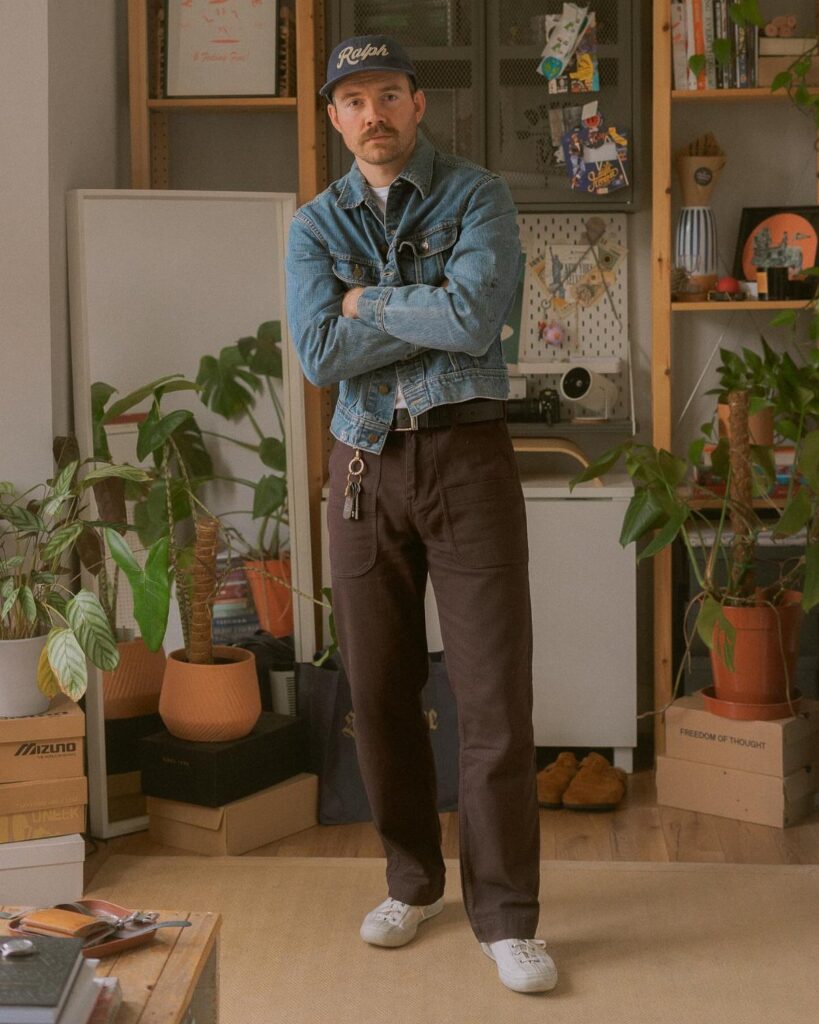
How loose your office’s dress code actually is decides which piece to reach for, and the list runs from button-down shirts and chinos to drawstring trousers that only work where nobody expects a belt.
A button-down or a pair of khaki chinos suits a code that just says "casual." A jacket or cardigan suits an office that runs cold and a little formal.
1. Button-down Shirts
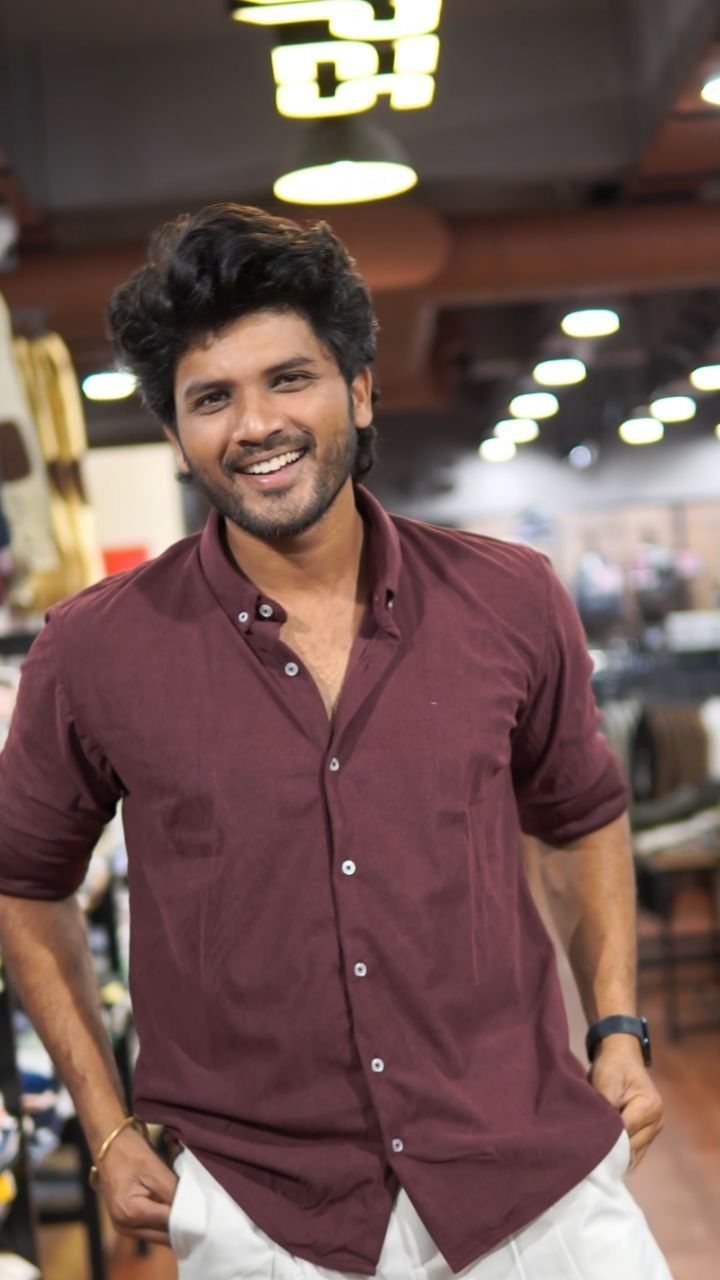
A button-down with a rolled sleeve and an untucked hem is the easiest way to look relaxed at work without looking careless. Maroon works because it reads as a real color, not a default white or blue.
Keep the hem short enough to sit around mid-zip when untucked, and roll the sleeves just below the elbow. Pair it with light trousers, as here, and the outfit stays clean.
2. Leather Sneakers
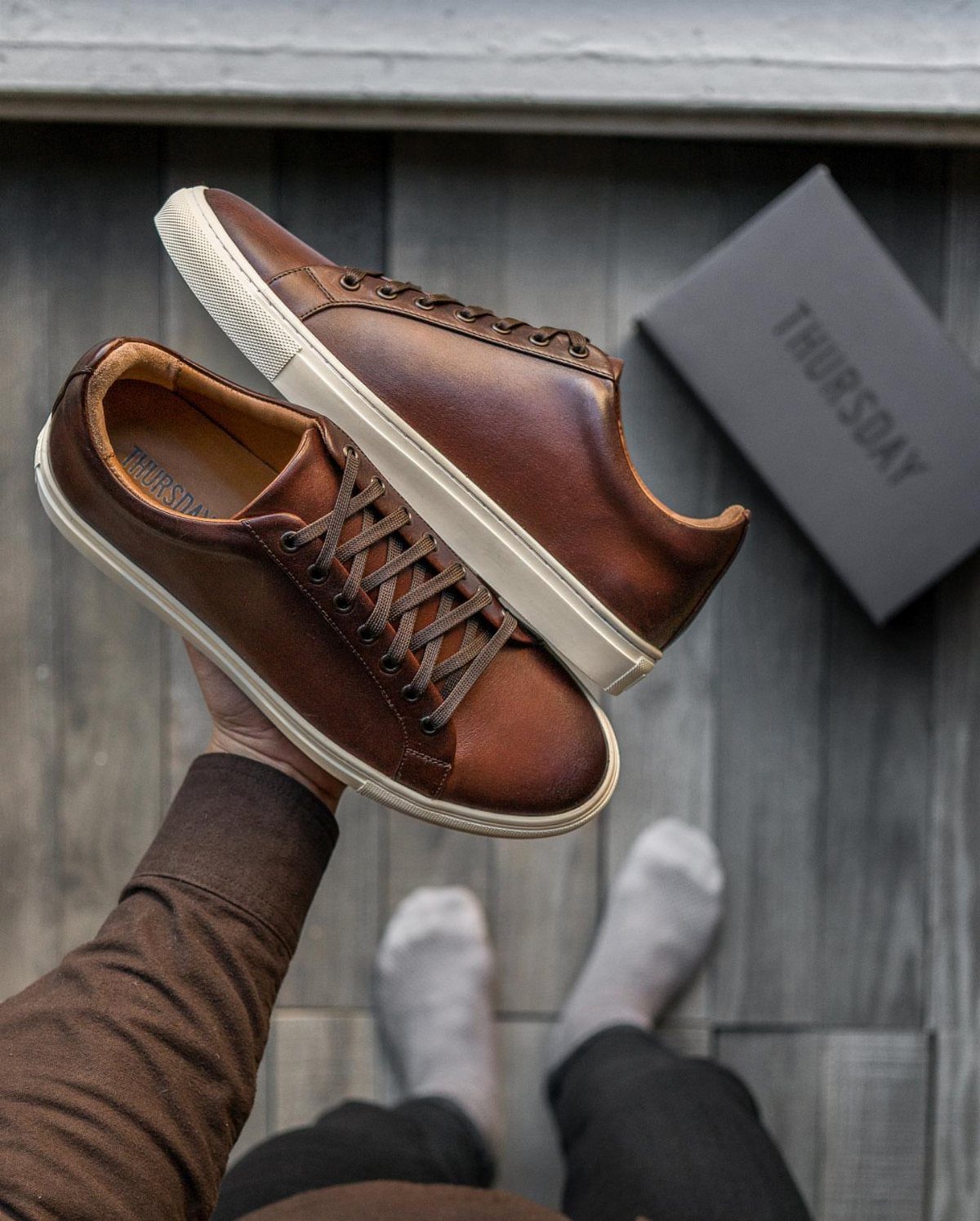
Brown leather sneakers with white soles are the shoe I would pick over any canvas pair for an office with a loose dress code. The leather reads as polished, and the white sole keeps them casual.
Brown also handles navy, gray and khaki better than stark white leather does. Wipe them down regularly, and they will look sharper than most men’s dress shoes.
3. Invest in a Blazer
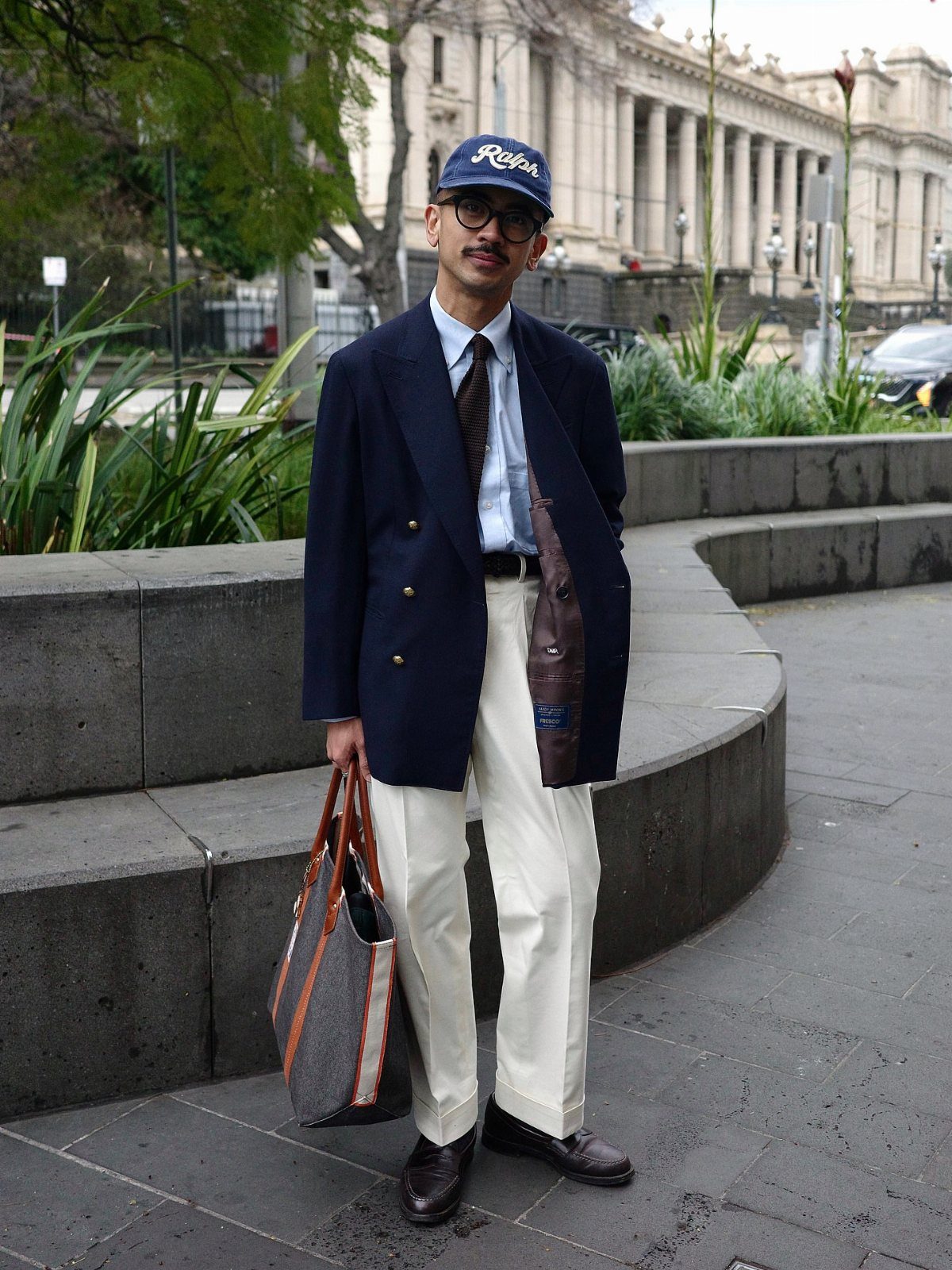
Even under a relaxed dress code a jacket pays off, and a navy blazer is the first one I’d buy. A navy blazer over a light blue shirt and cream trousers reads dressed up without tipping into suit territory.
A double-breasted cut, as here, is bolder than a single-breasted one.
If you want something easier to repeat, start with single-breasted. Loafers keep the whole outfit relaxed.
Put more of your budget into the blazer than into any other piece here, since it does the most work and shows wear first. It does the most work.
4. Chinos
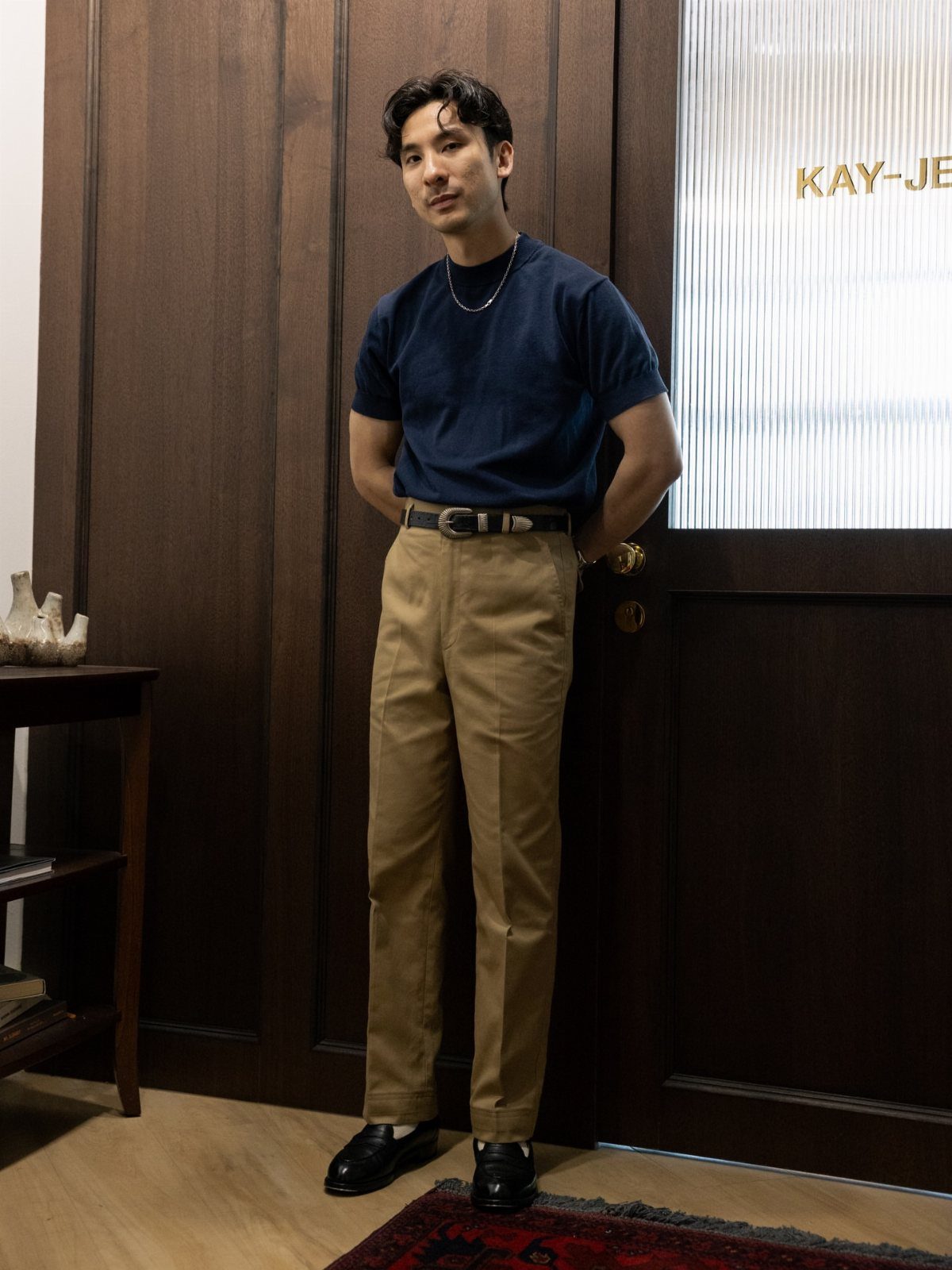
Khaki chinos are the plainest pair of pants a man can own, and that is the reason they work. They sit between jeans and dress trousers, so a dress code that says "casual" rarely objects.
Chinos work with a plain tee on a slow day, and with an oxford shirt and blazer when the day asks for more.
Choose a clean taper over a baggy leg, and hem them so there is only a slight break at the shoe.
5. Structured Jackets
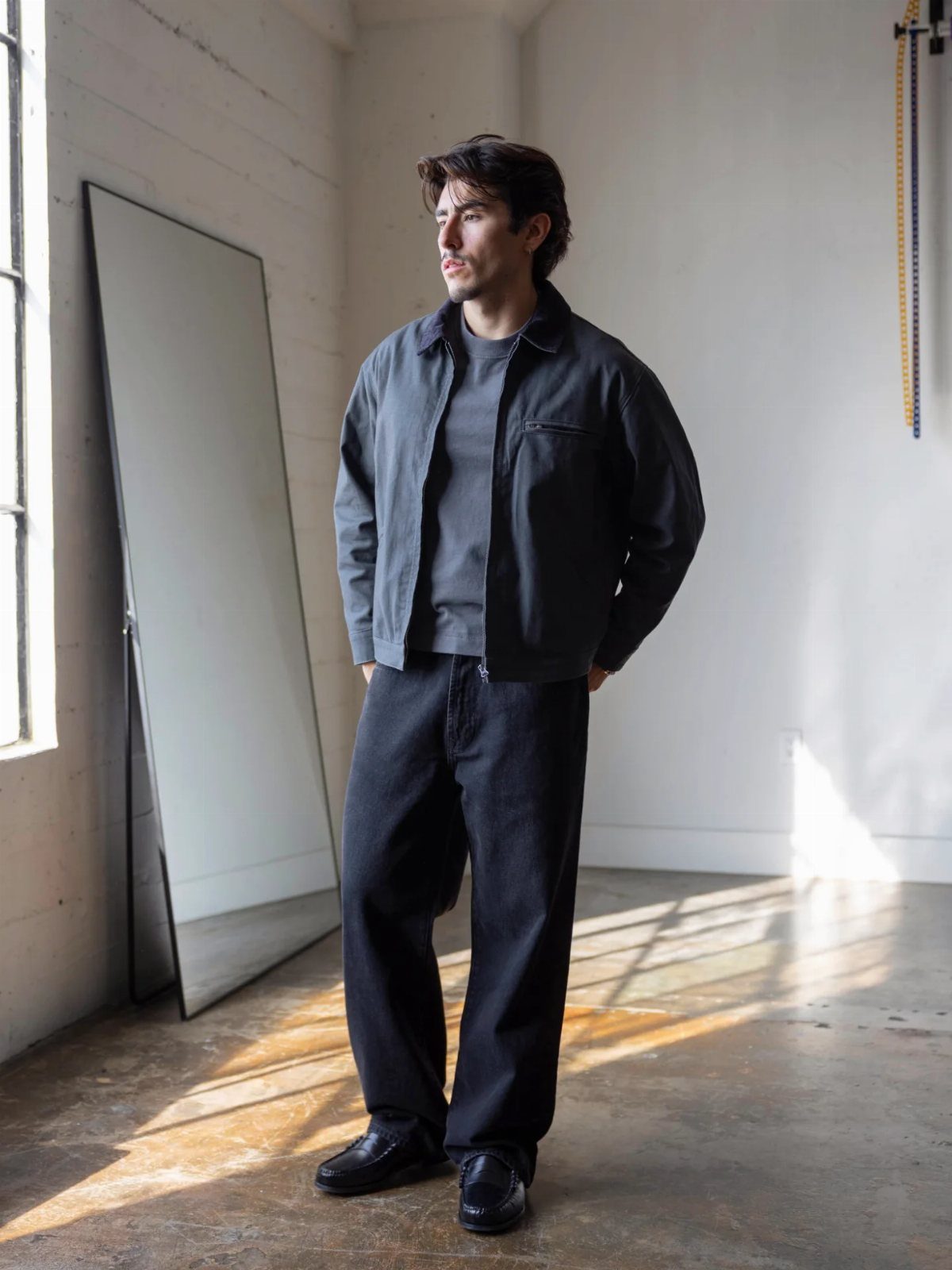
A structured jacket gives a plain tee and trousers some shape. A charcoal canvas zip-up does the job of a blazer with far less fuss, which suits offices where a tailored jacket feels like too much.
Look for a firm fabric that holds its line at the shoulder and collar.
Dark gray over a gray tee and black trousers keeps everything tonal, and loafers finish it. Loose trousers need a jacket that stays close to the body.
6. Cardigan Over Collared Shirt
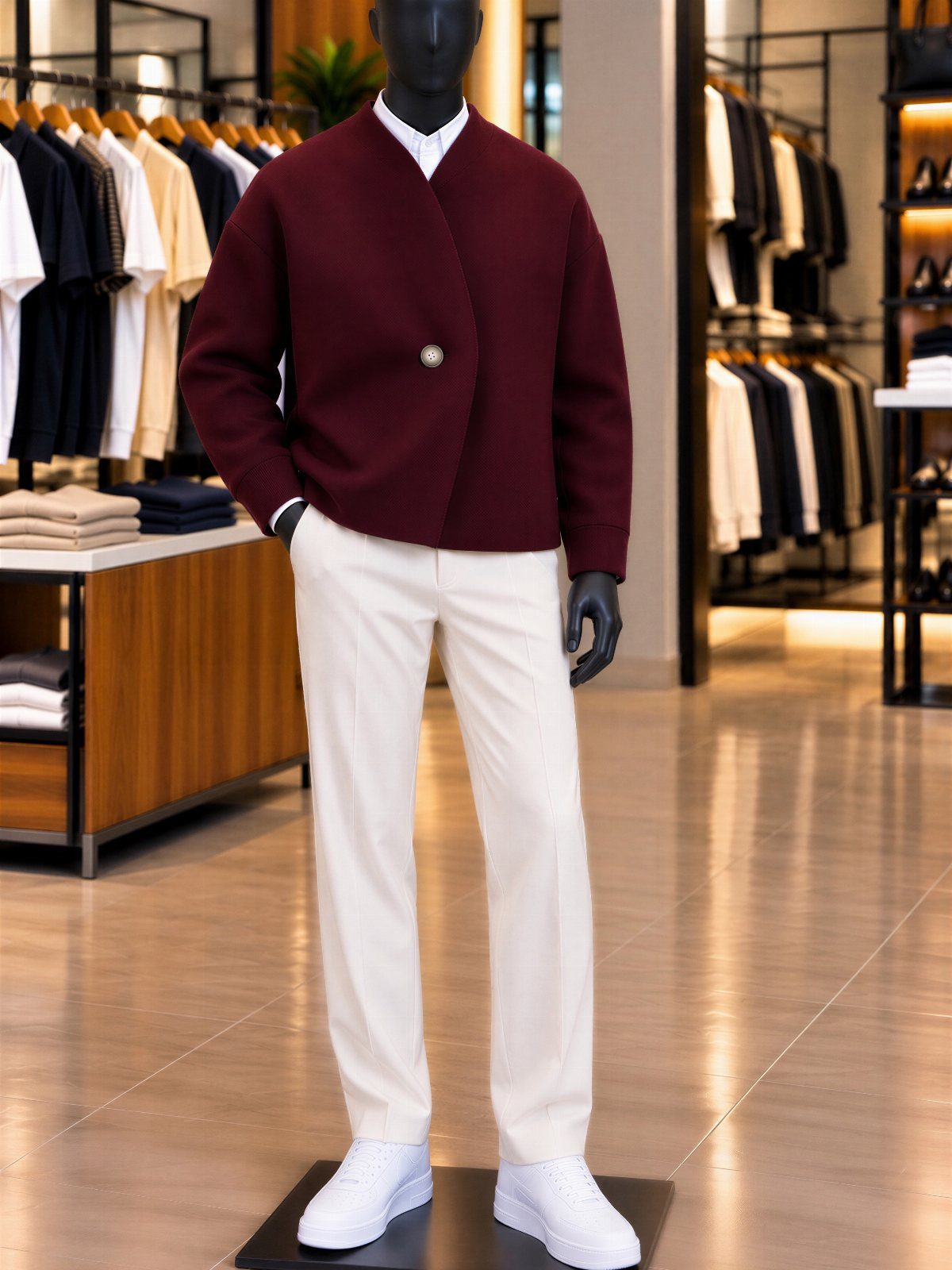
A cardigan over a collared shirt is the layer I reach for when an office runs cold and the dress code runs loose. A wrap style with a single button, in deep maroon, adds color without needing a tie.
A white or pale shirt with a crisp collar works best here, and the collar should sit outside the cardigan.
Cream trousers and clean white sneakers keep the palette soft. Choose a cardigan that sits at the hip, not below it.
7. Drawstring Waist Trousers
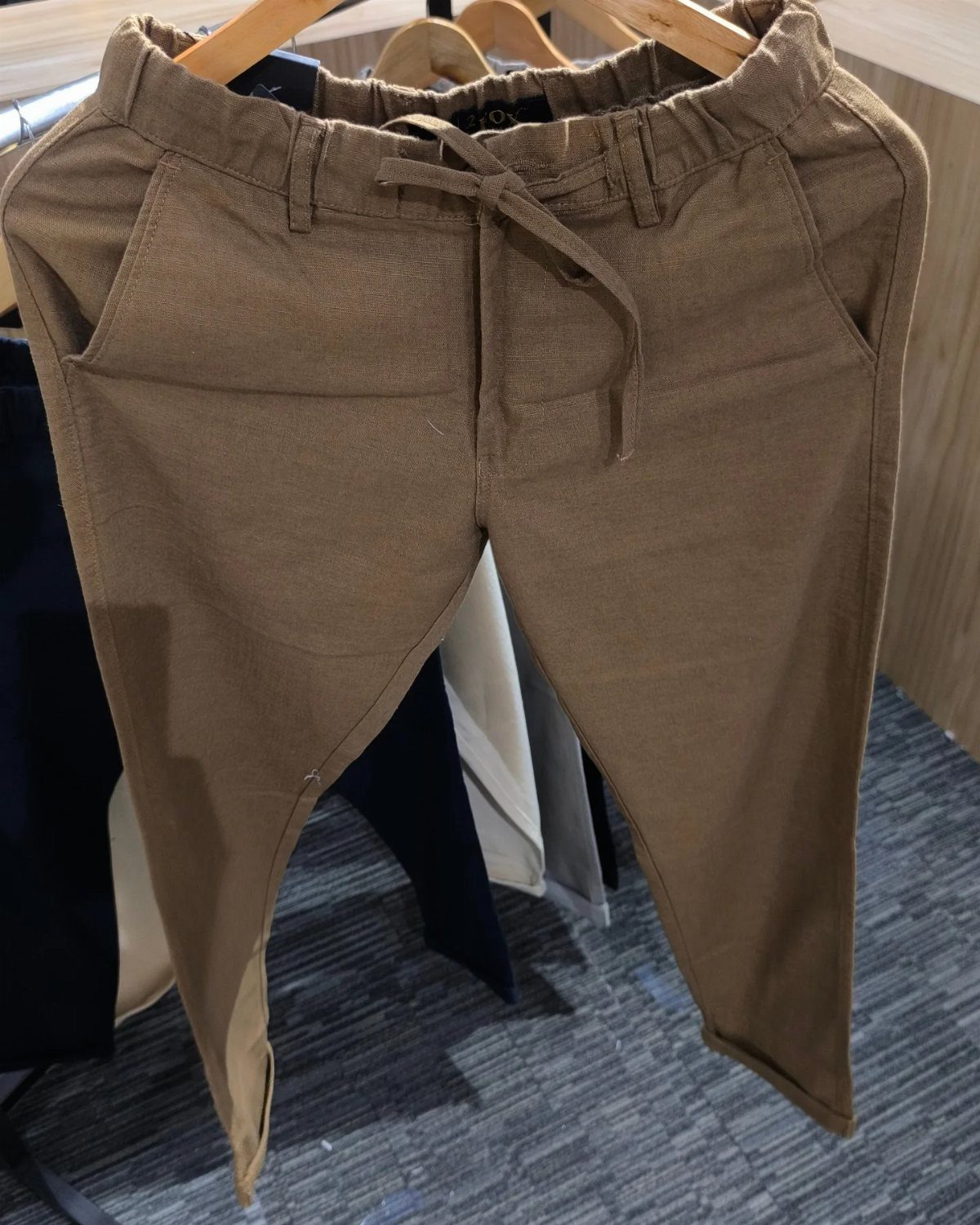
Tan trousers with an elastic-and-drawstring waist are the most relaxed pants you can wear to work, and they only pass when the fabric looks pressed and the leg stays clean.
A drawstring pant belongs in an office where nobody checks the dress code, and I would skip it anywhere that expects a belt.
Pick a lightweight, matte fabric over anything shiny or sporty. Keep the leg straight or gently tapered, and let the hem land near the ankle so the waist does the casual work, not the whole pair.
A tucked-in shirt hides the cord, but I’d wear it out under a longer, untucked top, as the neat hanger shape suggests. Leather sneakers finish it.
Fit Importance
Casual clothes have no lining, padding or stiff collar to hide behind, so fit does the work a jacket normally would. A sloppy fit reads as carelessness much faster here than it would in a suit.
Check the shoulders first. The seam of a well-fitted shirt sits right at the tip of your shoulder bone, and from there the fabric should follow your torso closely, neither pulling tight nor hanging loose.
Then check the pants. The hem should touch the shoe and fold once, with no stacking at the ankle and no pulling when you sit.
If a piece fails either test, a tailor can usually fix the hem or the waist cheaply. Shoulders are much harder to alter, so buy those right off the rack.
Avoiding Casual Mistakes
Casual dress codes are loose, which makes small lapses easier to spot. Coworkers notice a wrinkled shirt, a sweat mark or a scuffed shoe quickly, because nothing else in the outfit competes for attention.
Cheap fabric gives itself away the same way. Thin, shiny or pilled material looks tired within weeks.
A few habits cover most of it.
Steam or iron shirts the night before, and rotate your shoes so each pair gets a day to dry out. Brush or wipe the leather before you leave the house.
Relaxed clothes still need care. The dress code may be loose, but the standard for how you look is not.
Building a Work Outfit Rotation
Repetition is what makes casual style easy. Pick a handful of shirts that all work with the same two pairs of pants, and add one versatile layer on top.
Keep the base neutral: navy, black, gray, brown and khaki.
Then add a few pieces in an accent color such as green, terracotta, pale blue or pink. They stay office-appropriate and give the outfit some personality.
Underneath, wear a sweat-proof undershirt. Thin casual fabrics darken fast when you sweat and then stick to your skin, so an undershirt that absorbs the moisture is what keeps you looking put together at 4 p.m.
With that rotation set, getting dressed takes a minute. You are choosing between pieces you already trust.
Hybrid working has caused a shift to a more fluid way of dressing, with a less formal work wardrobe suited to both the home and office.
Frequently Asked Questions
What counts as casual work attire for men?
Think chinos, a button-down, a navy blazer or other structured jacket, and leather shoes, with clean leather sneakers as the casual end of that range.
Keep the base in navy, black, gray, brown and khaki, then add one accent color like green or terracotta.
Can you wear undershirts with casual work outfits?
Yes, and a sweat-proof one is worth wearing. Lightweight cotton and linen show sweat fast, and once damp they stick to your skin.
What shoes work best for casual workwear?
Brown leather sneakers with white soles are my pick for an office with a loose dress code, and loafers are the other reliable choice.
Brown also handles navy, gray and khaki better than stark white leather does, and wiping them down regularly keeps them sharp.