These ideas start with a single pair of chinos and build to a full smart casual formula around a blazer, with layered textures, neutral colors with one accent, fit and tailoring, trainers, watches and belts, and winter knits along the way.
Start with the occasion: the more formal the room, the dressier the blazer and shoes should lean, while the chinos and the rest can stay put.
1. Chinos
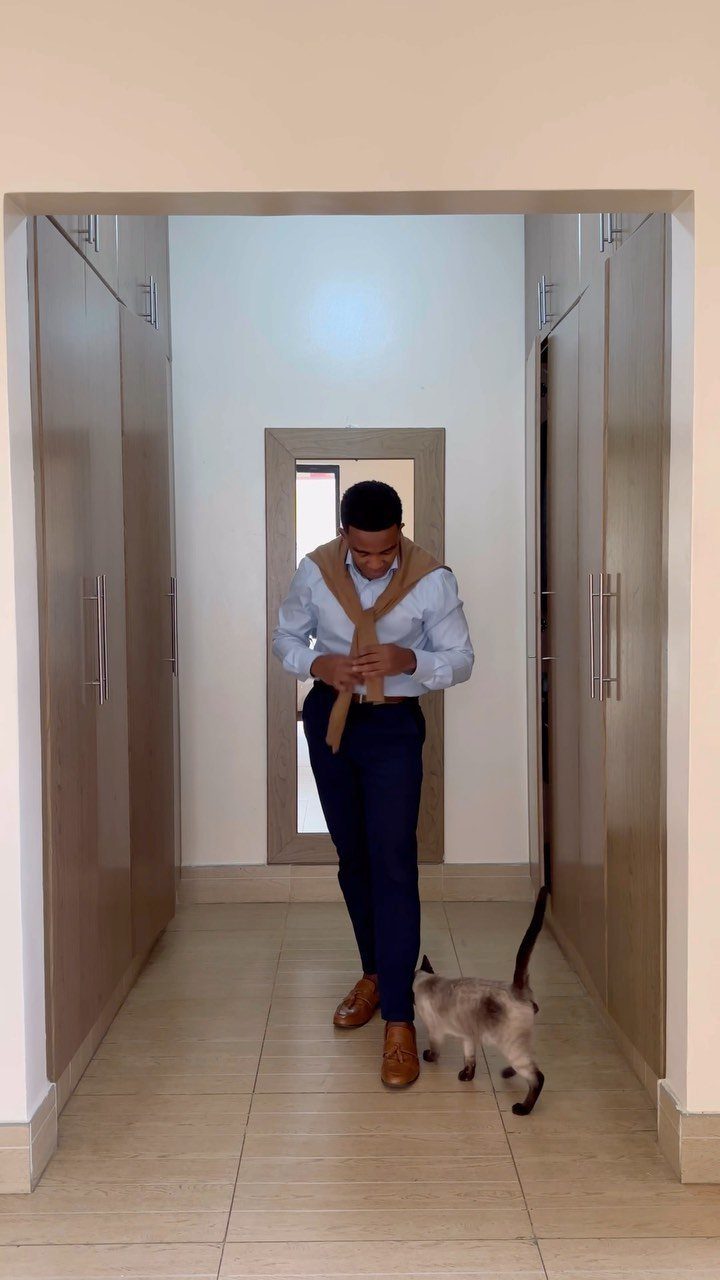
Navy chinos do the job jeans usually get handed, and they look sharper doing it. Paired with a light blue button-down and brown loafers, they read as put together without any effort showing.
Navy is the version I’d buy first, because it works with white, light blue and most knits. Keep the leg straight and the hem near the shoe, so the trouser doesn’t bunch over the loafer.
2. Layering Different Textures
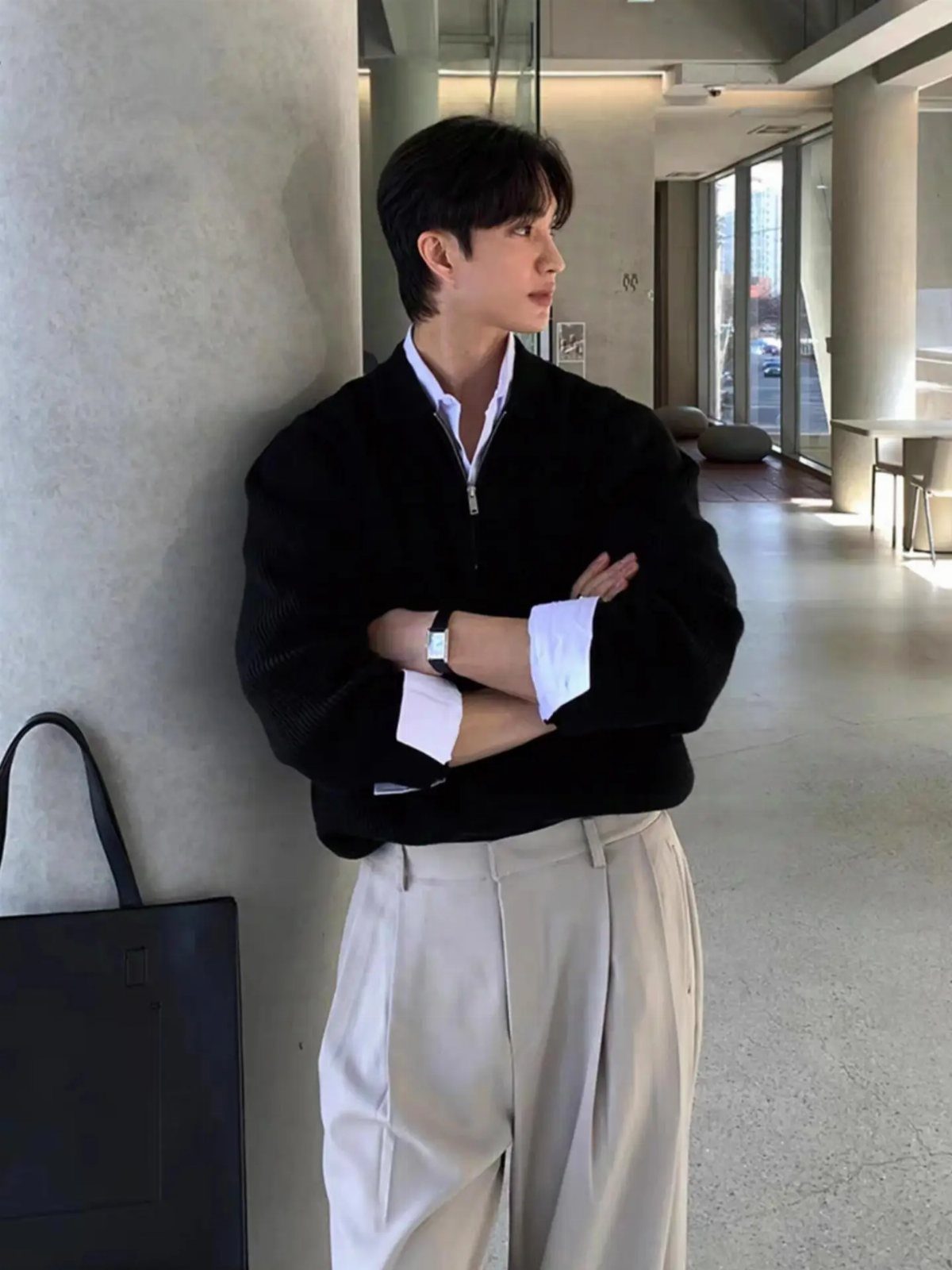
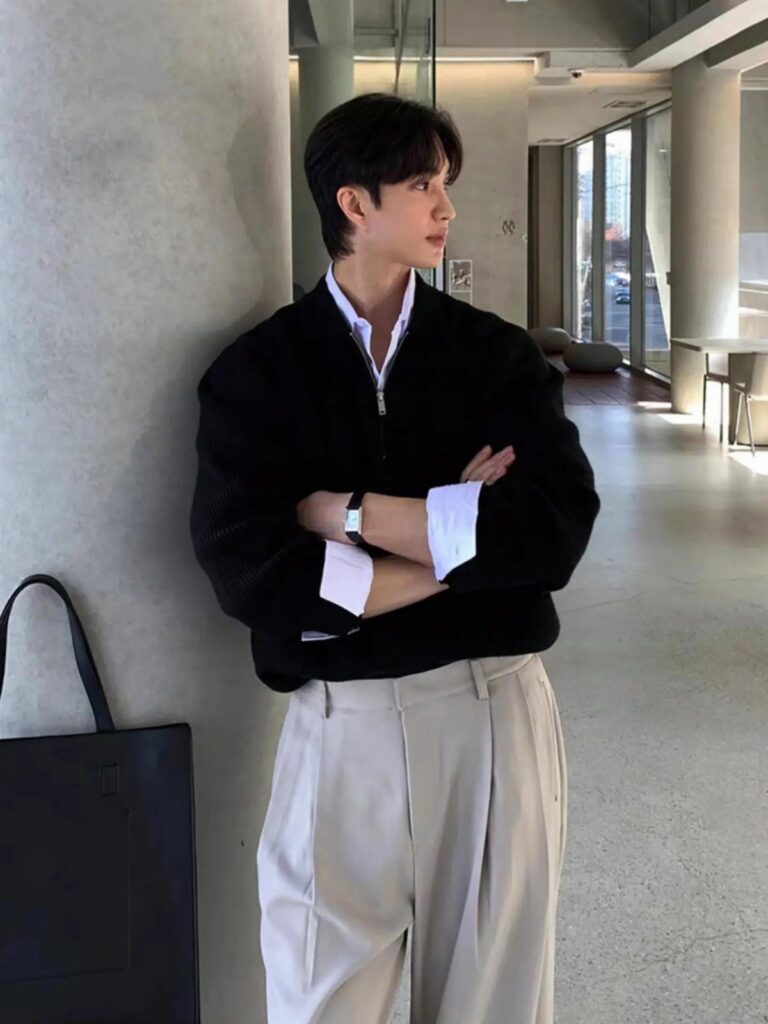
Texture does the work here that color can’t. A ribbed black half-zip sits over a crisp white shirt, and the 2 surfaces make a plain palette look considered.
Keep the colors few and let the fabrics differ: knit against poplin, with something soft like pleated cream trousers below. The shirt collar should show above the zip.
I’d skip a third texture on top. 2 contrasts are plenty before the outfit gets busy.
3. Essential Smart Casual Pieces
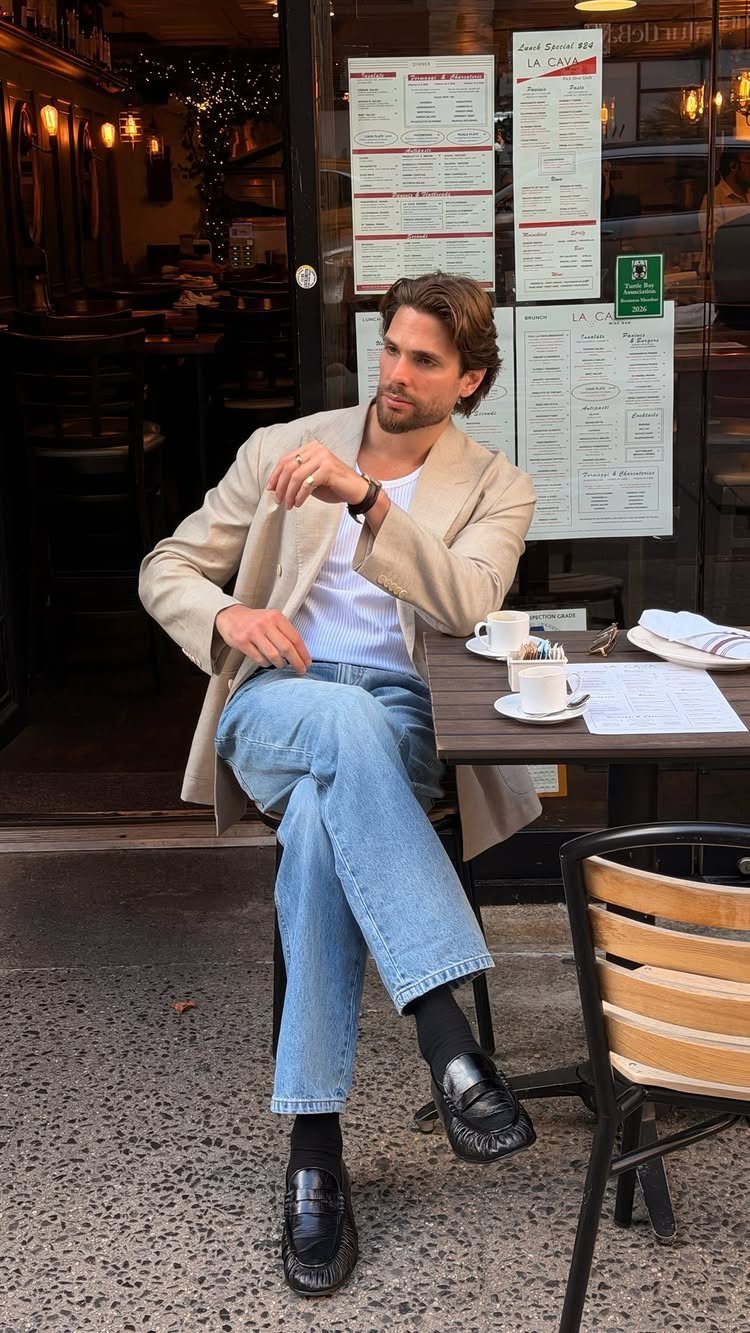
A small set of pieces covers most of smart casual: an unstructured blazer, a crisp white tee or oxford, light-wash jeans and dark loafers. Each one is easy to find and easy to mix with the others.
Buy in neutral shades so every piece pairs with every other piece. Dark socks keep the line from ankle to loafer clean.
Of the four, the blazer is the one I’d spend more on. It sets the tone for everything under it.
4. Blazer
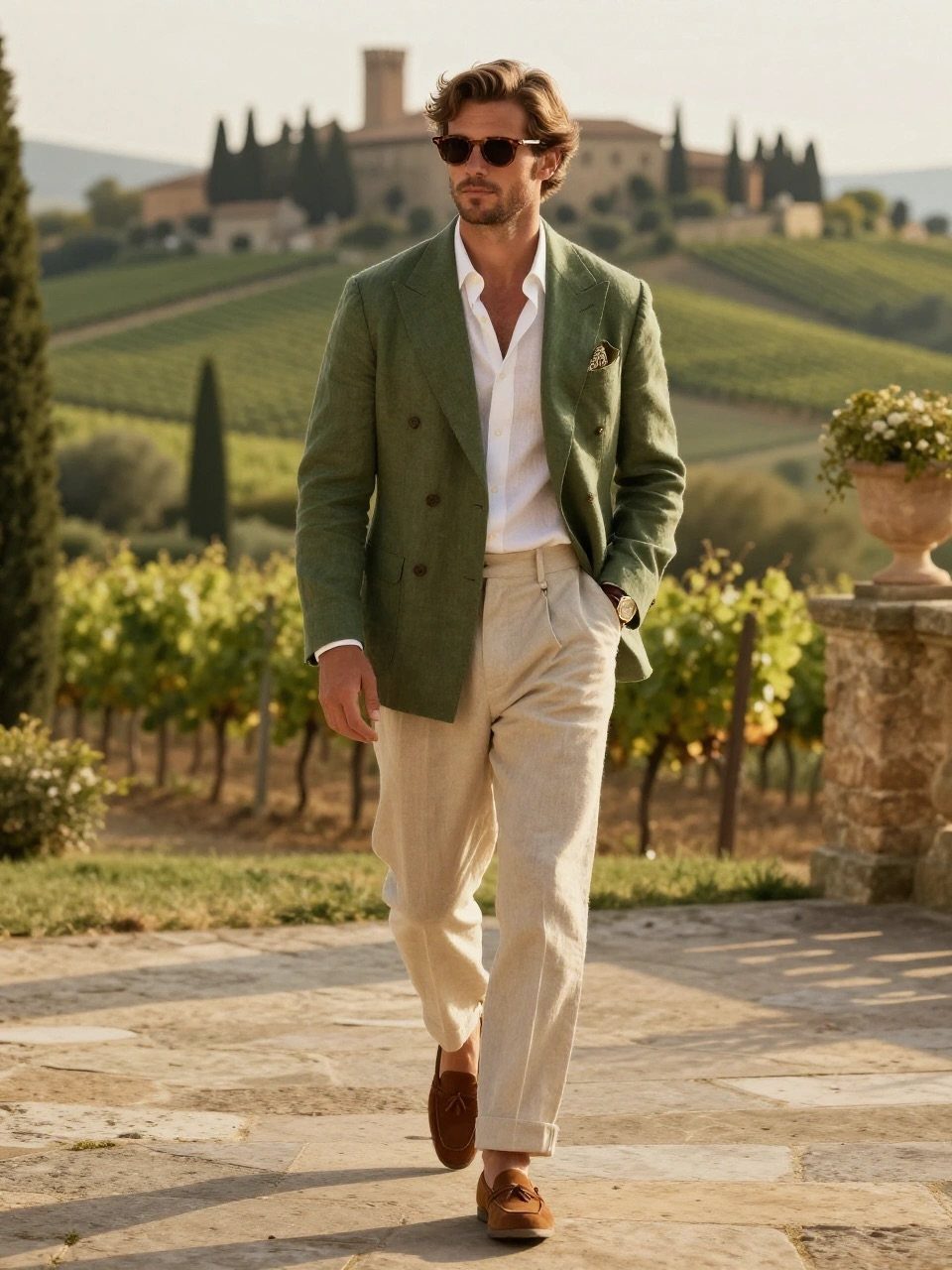
Shoulders decide whether a blazer looks good. The seam should end where your shoulder does, and a double-breasted jacket like this green one needs that even more, since the overlap shows any pulling.
Pick a light, breathable cloth such as linen for warm weather, and pair it with beige trousers and a white collared shirt. The cost is wrinkles, which I think are part of linen’s charm.
Brown loafers finish it without fuss.
5. Formal Attire and Casual Items
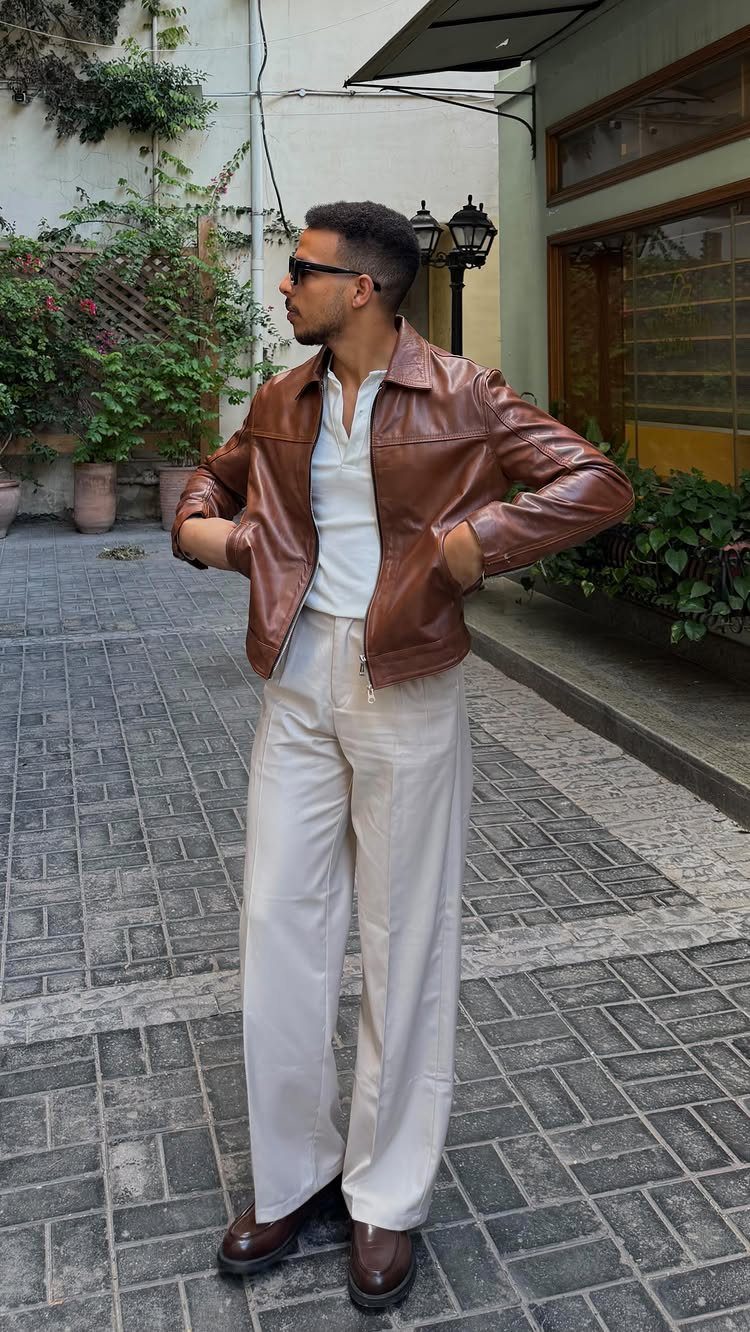
Mixing dressy and casual works best when one piece is clearly formal and another clearly isn’t, like a leather jacket over wide-leg cream trousers. The trousers bring polish, and the jacket and open-collar polo take the stiffness out.
Use one dressy piece for each casual one, so neither side wins.
If the outfit feels too relaxed, swap the polo for a shirt. If it feels stiff, swap the shoes for sneakers.
6. Minimalist Trainers
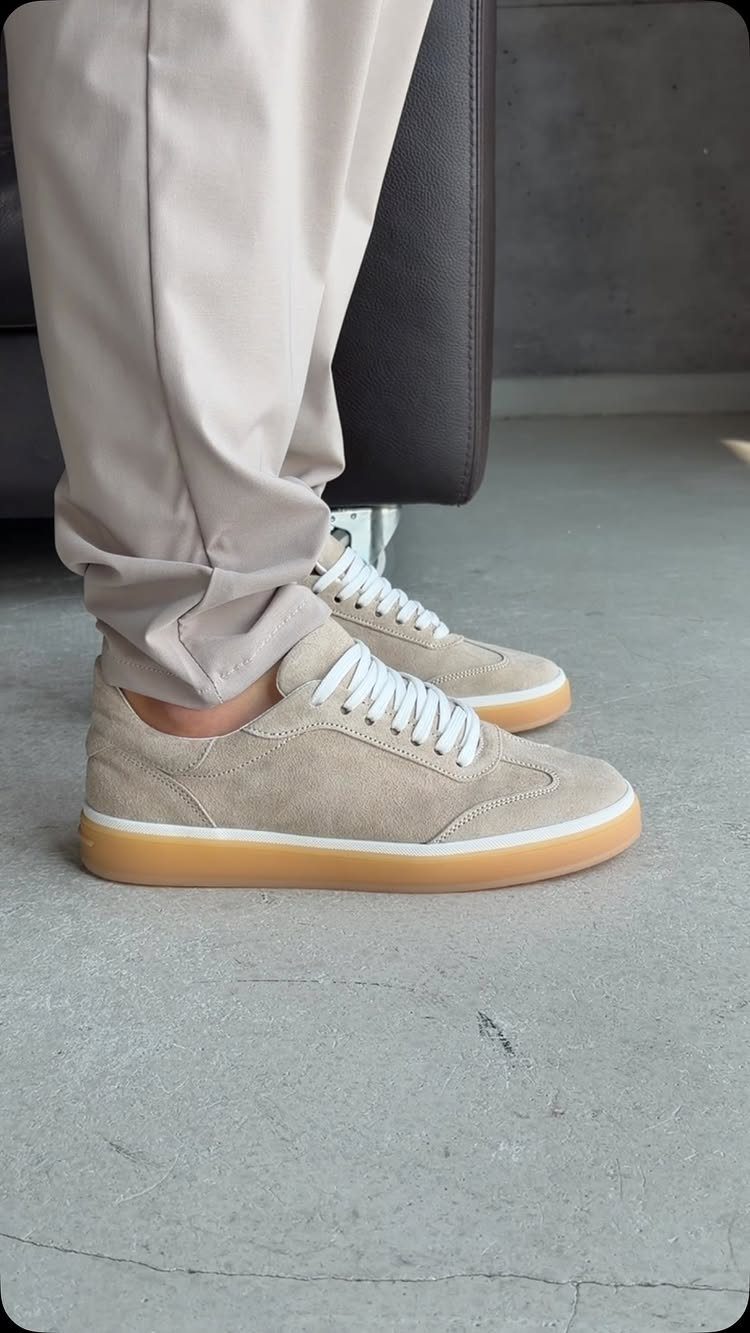
Suede low-tops in tan with gum soles are the minimalist sneaker I’d pick for smart casual. They have no loud logos, and the soft color sits well beside beige trousers.
Look for a slim, low profile and white laces, and keep the trousers in a similar light tone. Suede marks easily in rain, so a protective spray is worth the small cost.
Leather would handle weather better, but I prefer the softer look of suede.
7. Neutral Colors with Accent Colors
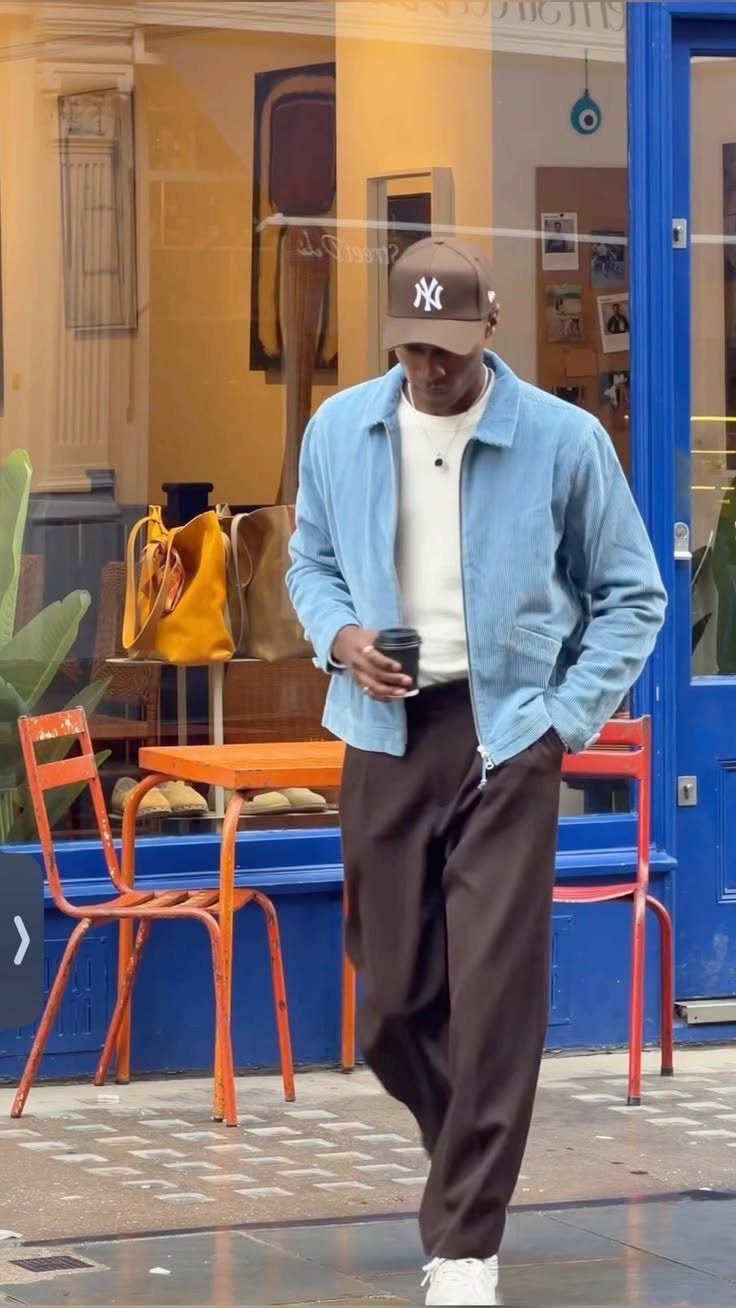
Brown and white do the quiet work in a casual chic outfit, which leaves room for one light blue jacket to carry the look. Corduroy adds texture, and the blue stands out against the earth tones without shouting.
Pick one accent and stay with neutrals for the rest: brown, white, beige, grey. A cap in the base color ties the accent back into the rest.
If the accent feels too loud, move it to something smaller, like a knit or a shirt.
8. Fit and Tailoring
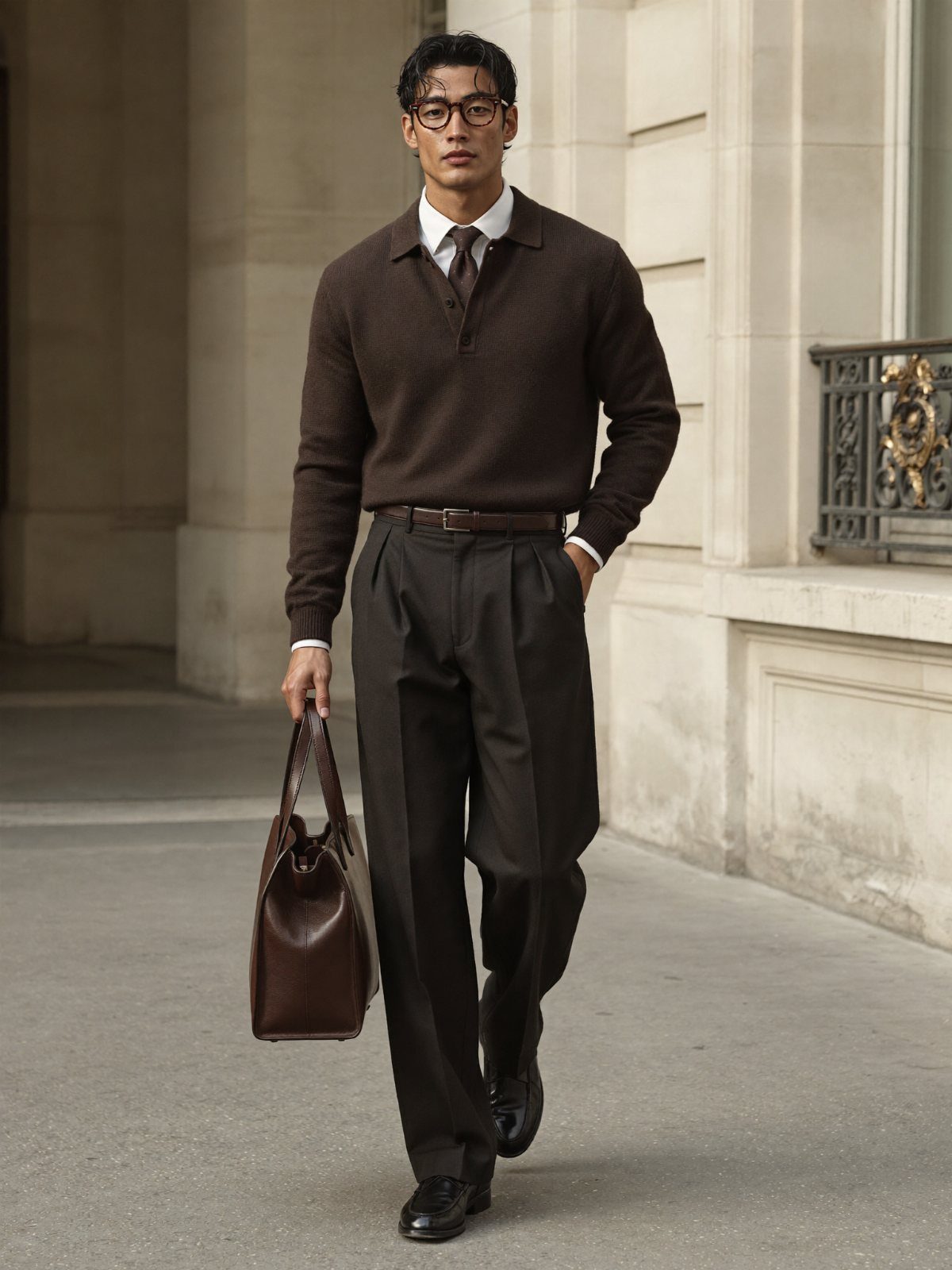
Trousers that hang clean from the waist make a plain brown polo and tie look deliberate. Pleats suit this look, since the extra room at the hip lets the fabric drape instead of pulling.
Check 3 spots first: shoulders flat, sleeves ending at the wrist, and trouser hems just touching the shoe.
A tailor can shorten hems and take in a waist for a modest fee, and I’d rather pay that than buy a more expensive piece that fits badly.
Fit beats price almost every time.
9. Watches, Belts
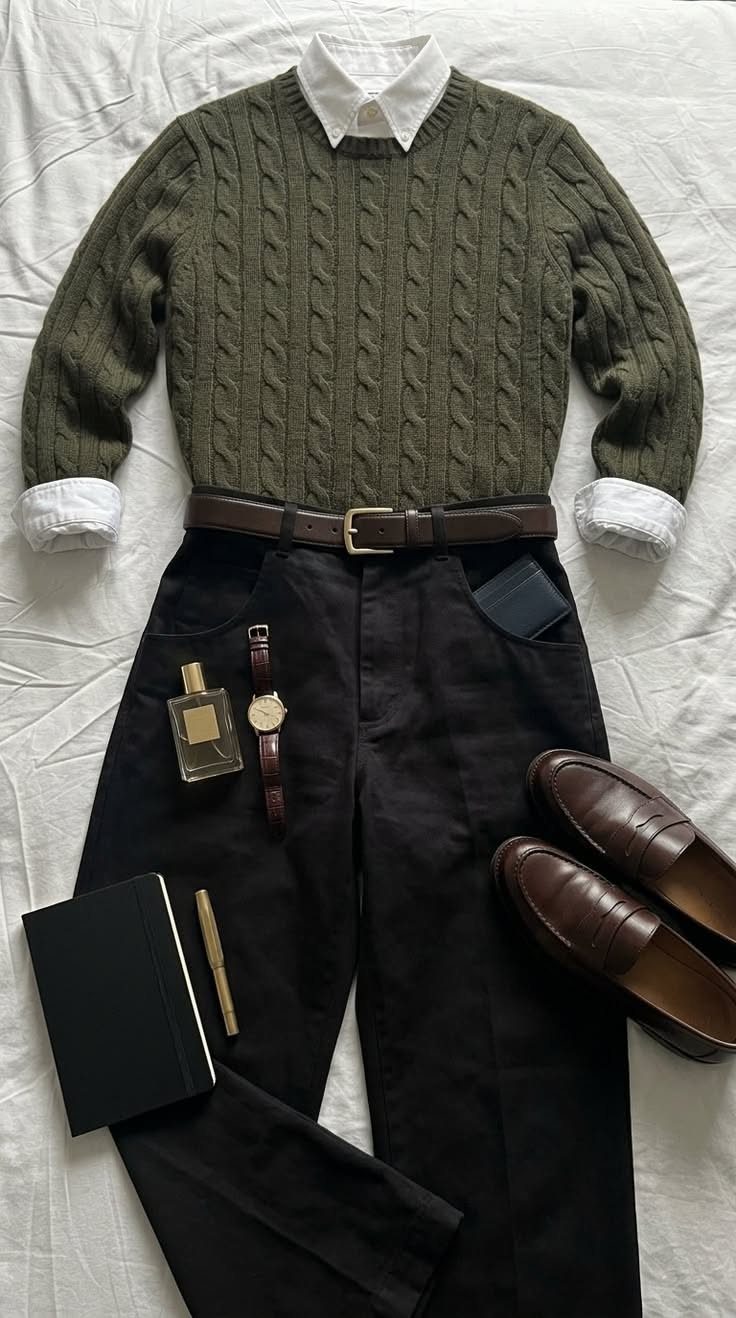
Neither needs to be flashy, since both sit at the edge of the outfit.
Match the belt to your shoes, so brown belt with brown loafers, as laid out here. Choose a watch with a plain face and a leather or metal strap that stays quiet under a cuff.
Spend a little more on the belt; it wears out first.
10. Knits in Winter
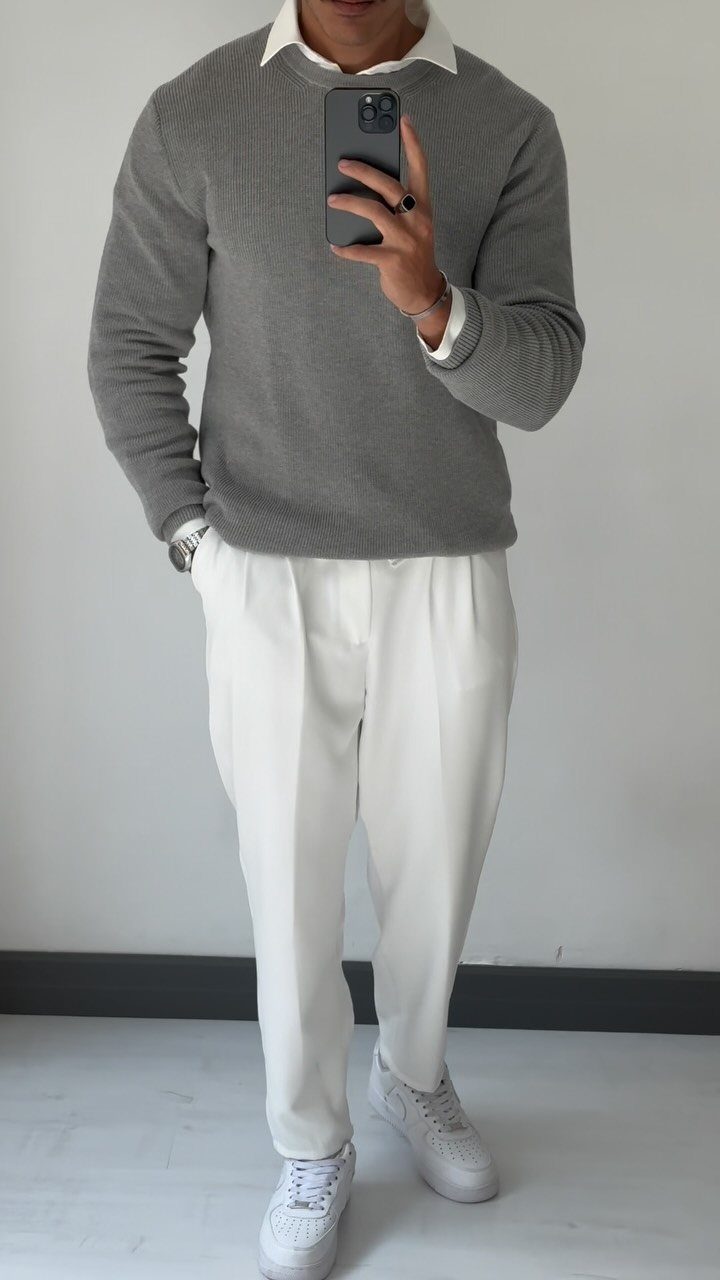
The collar peeks out at the neck, which keeps the sweater from looking like loungewear.
Choose a fine or mid-weight knit that sits close without clinging, and tuck the shirt in so nothing hangs below the sweater.
For a darker, more forgiving version, swap the trousers to charcoal.
Understanding Smart Casual
Smart casual sits between formal and relaxed, and the aim is an outfit that looks like you made an effort without looking like you tried too hard. Polished without being stiff, tailored without being severe.
A simple way to test it: swap one item from each side.
A tailored shirt replaces the t-shirt, neat trousers replace the jeans, and polished shoes replace the trainers. You don’t have to swap all three at once, but the outfit should lean toward at least one of them.
Good smart casual passes at a gallery opening at 6 and still looks right at a pub table at 9, which is a wider range than most outfits manage.
Smart casual outfits are about balance, but just like a seesaw, getting the distance between each pole right is critical. Super smart with super casual is doable, but get a single detail wrong and you’ll lose the equilibrium that makes the outfit work.
— Esquire
Occasions for Smart Casual
Smart casual covers more ground than most men expect. Social events and relaxed offices are the two most common places it fits, and the same basic formula works in both.
Think of your week in 3 settings: work, social plans, and everything in between.
Then adjust one piece per setting. A tailored shirt and neat trousers can stay constant, while the shoes or the jacket change depending on how formal the room is.
That keeps your wardrobe small and your decisions quick. You are not building a new outfit for each event, only turning one dial up or down.
Common Mistakes
Misjudging the event is the most common error. Too formal and you look out of touch; too casual and it can read as disrespect toward the host or the room.
When you’re unsure, overdress slightly. A jacket can come off and a tie can stay home, but a sloppy outfit is hard to recover from.
A few rules keep you honest:
- Pair one structured piece with one soft one: a sport coat over dark jeans, or an oxford shirt tucked into cotton chinos.
- Keep everything clean and well fitted.
- Skip both extremes: distressed, ripped denim looks careless, and anything with satin lapels looks like you got lost on the way to a wedding.
If you check the invitation or ask someone who’s going, you’ll usually land in the right place before you open the closet.
Frequently Asked Questions
What is casual chic attire for a man?
Casual chic mixes relaxed pieces with polished ones so the outfit looks made with effort but not stiff. Think tailored trousers or chinos, a crisp shirt, a soft knit or an unstructured blazer, and loafers or clean sneakers.
What is the 3-3-3 rule for men?
No fixed rule by that name exists for casual chic that I know of, so I stick to a plainer habit: 2 or 3 colors at most, with each piece made of a different cloth.
Stick to neutrals like brown, white, beige and grey, add one accent such as a light blue jacket, and limit texture contrasts to two. A third texture on top tends to make the outfit busy.
What makes a man look wealthy in a casual outfit?
Fit does more than price. Fit does most of the work here: seams sitting on the edge of your shoulders, cuffs ending at the wrist bone, and hems that just brush the shoe.
Add quiet extras like a plain-faced watch and a belt matched to your shoes, and a tailor’s small fee beats an expensive piece that fits badly.