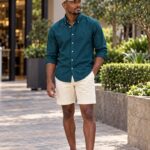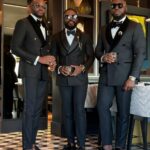
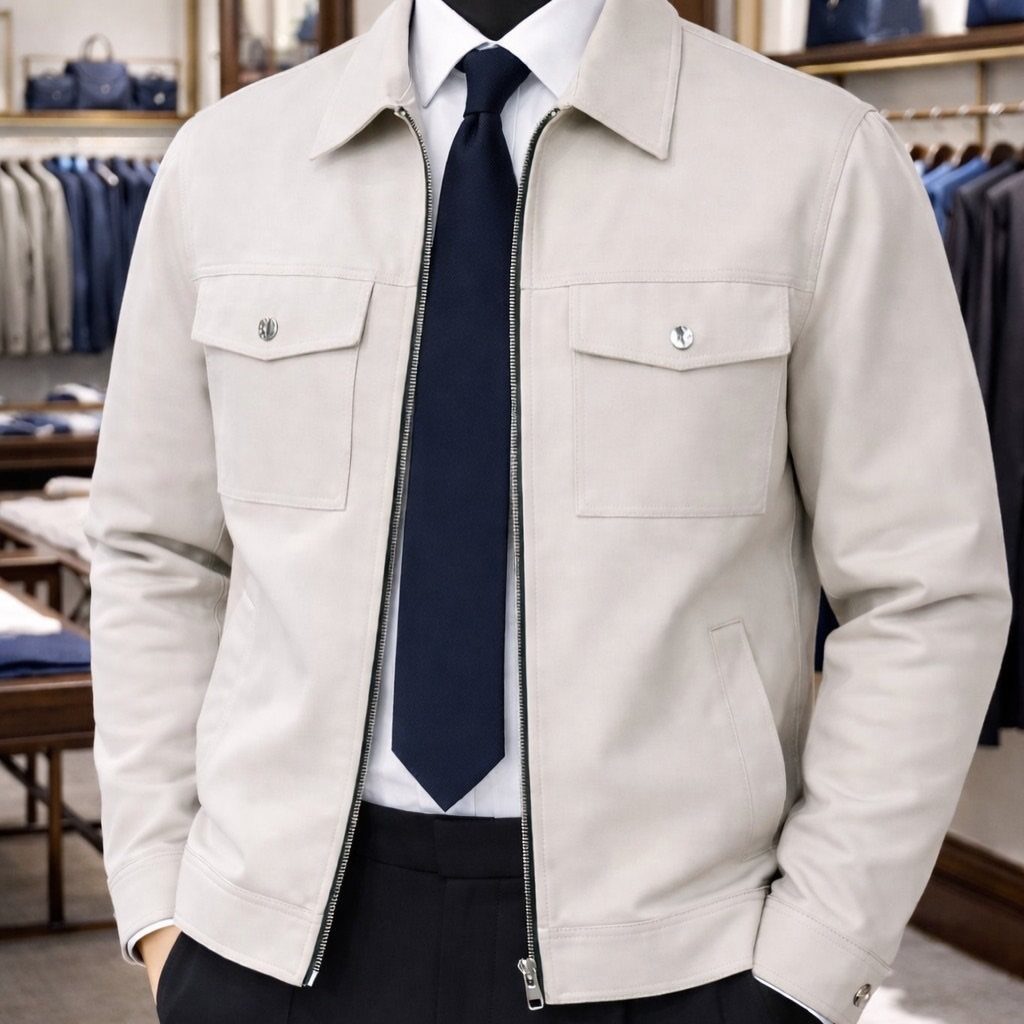
Your office’s dress code decides which of these looks is yours: a zip-front jacket over a tie is safe nearly anywhere, while a tan linen suit with a plain white tee only works where a casual dress code is already the norm.
The list runs from a sweater over a collared shirt to jeans with loafers, and even the loosest option needs a firm cotton tee and a clean fit to read as neat.
If you can’t tell where your office sits, dress slightly more conservatively.
1. Jackets
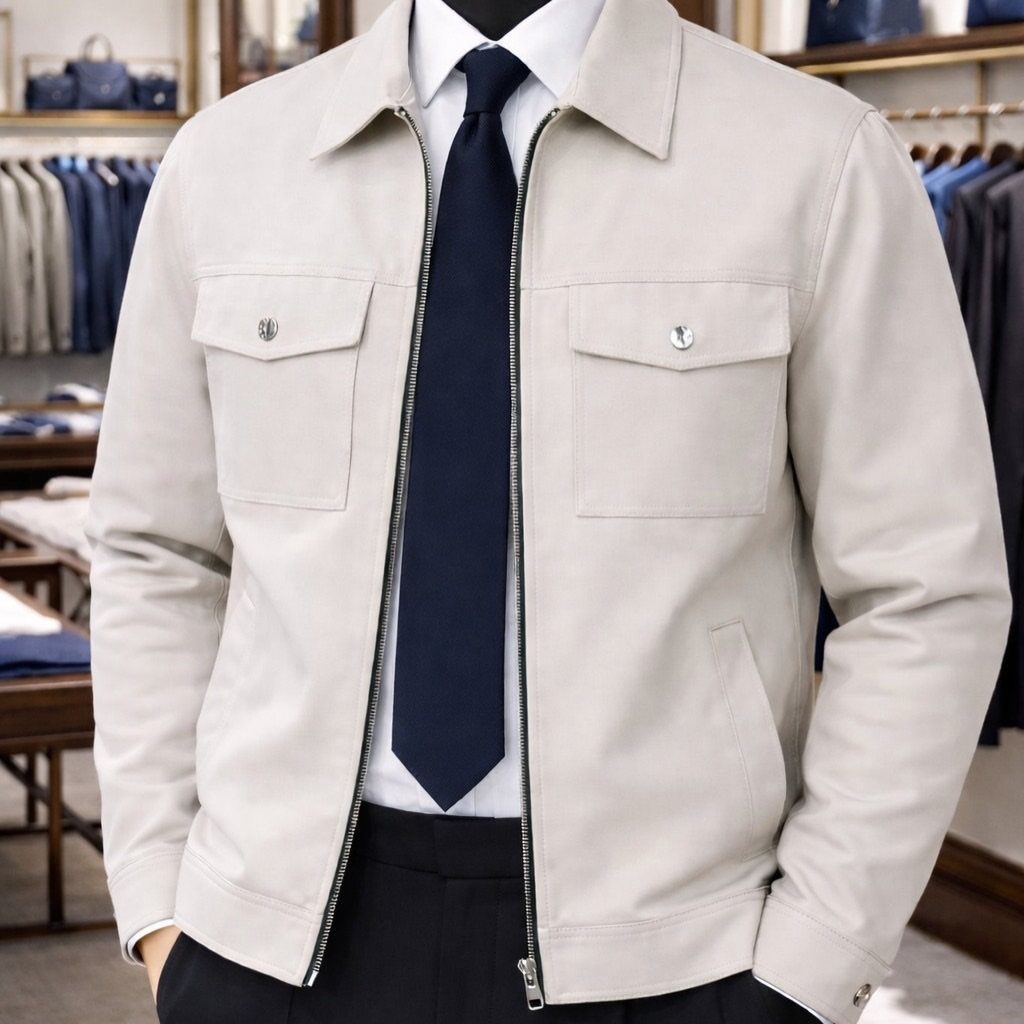
The zip front keeps it casual, while the tie and shirt underneath keep it office-ready.
A light, plain jacket color sits well over dark trousers, and it keeps the outfit from looking heavy. Put your money into the jacket first, since it’s the layer people see first.
2. Business Casual Shirts
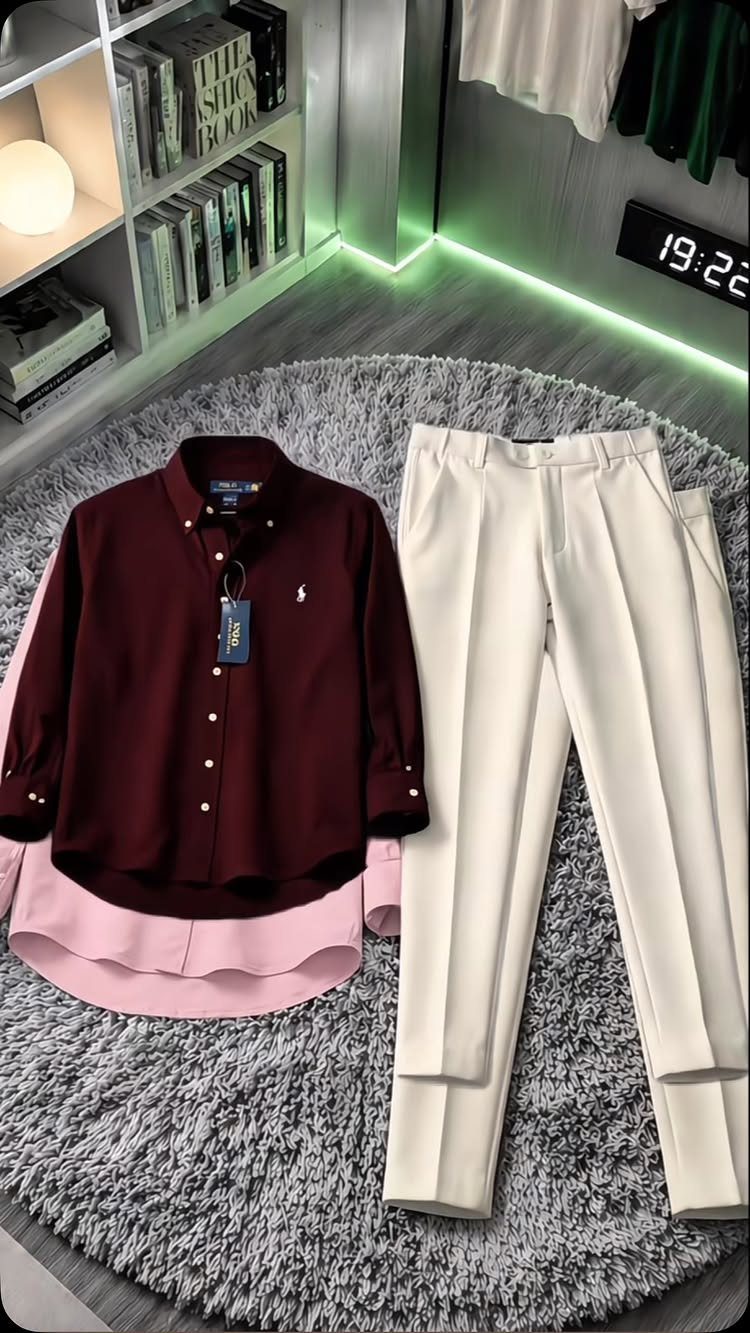
Most relaxed business casual shirts fall into 2 groups: the collared button-up and the polo. Both work, and the button-up is the safer pick for most offices.
A deep maroon shirt like this one is easy to wear with cream or light trousers. Pick one strong color, keep the pants quiet, and you’re done.
Keep a polo for the days when a collared button-up feels like too much.
3. The Button-down
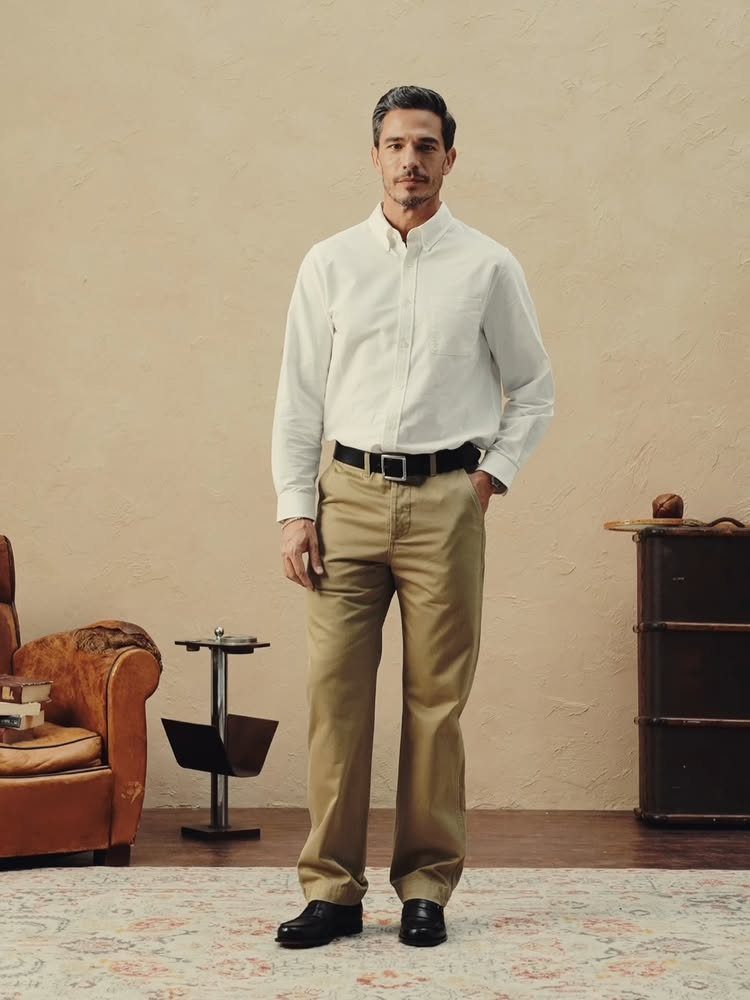
Fit is what separates a good button-down from a forgettable one, and both a looser and a more fitted cut can look sharp.
A white one is the easiest to start with, since it works with khakis, gray trousers and nearly anything else in the closet.
I lean toward a slightly relaxed cut for everyday wear.
4. Business Casual Pants
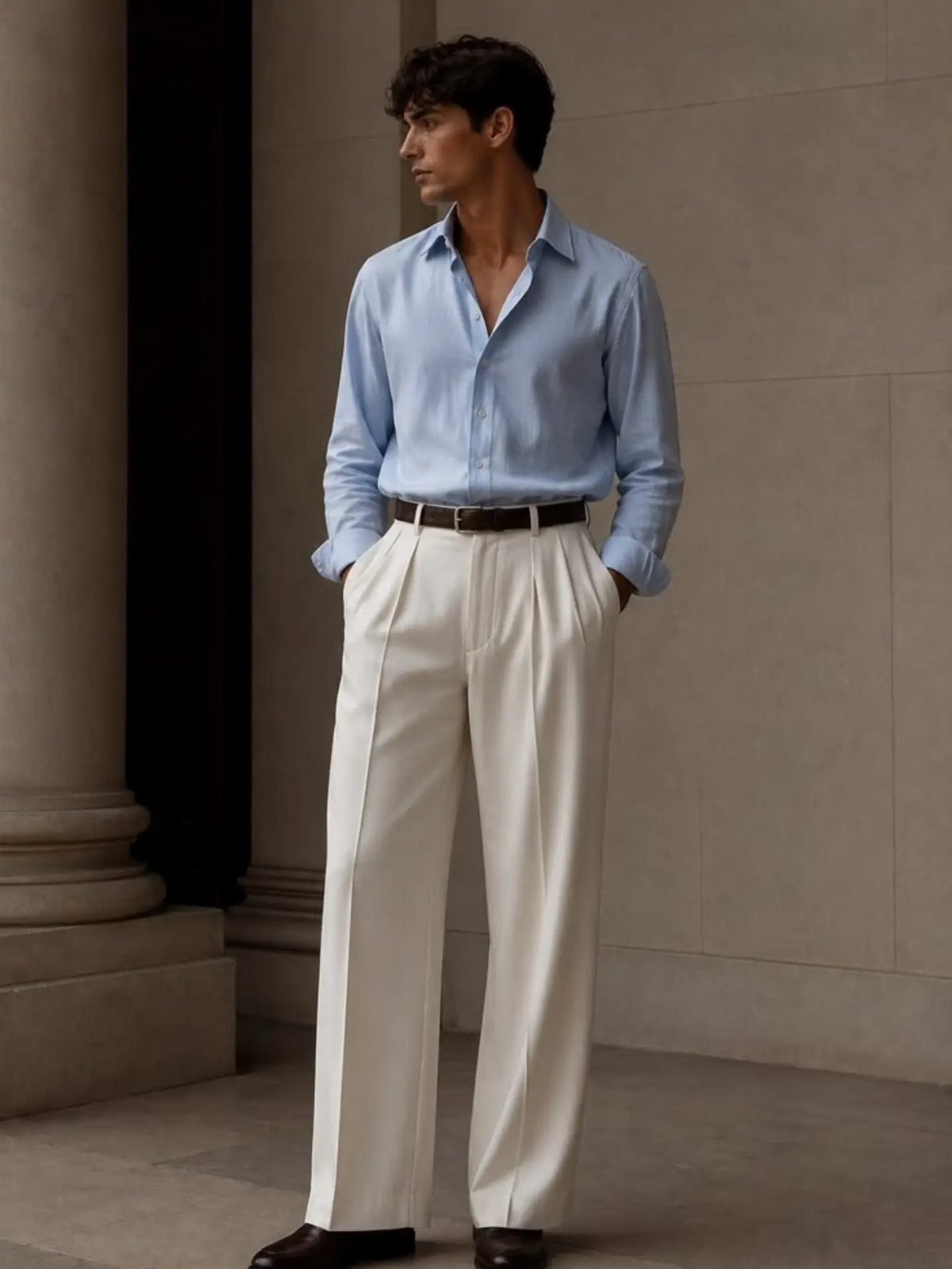
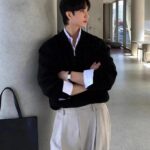
Pants set the tone for everything else you wear, and the range runs from classic chinos to suit trousers to a wider, pleated leg. Wide-leg cream trousers with a high waist look modern and stay comfortable through a long day.
I’d tuck the shirt in and add a dark belt so the wider cut still has structure. Loafers finish it cleanly.
If wide feels like too much, a straight chino is the quieter option.
5. Business Casual Sweaters
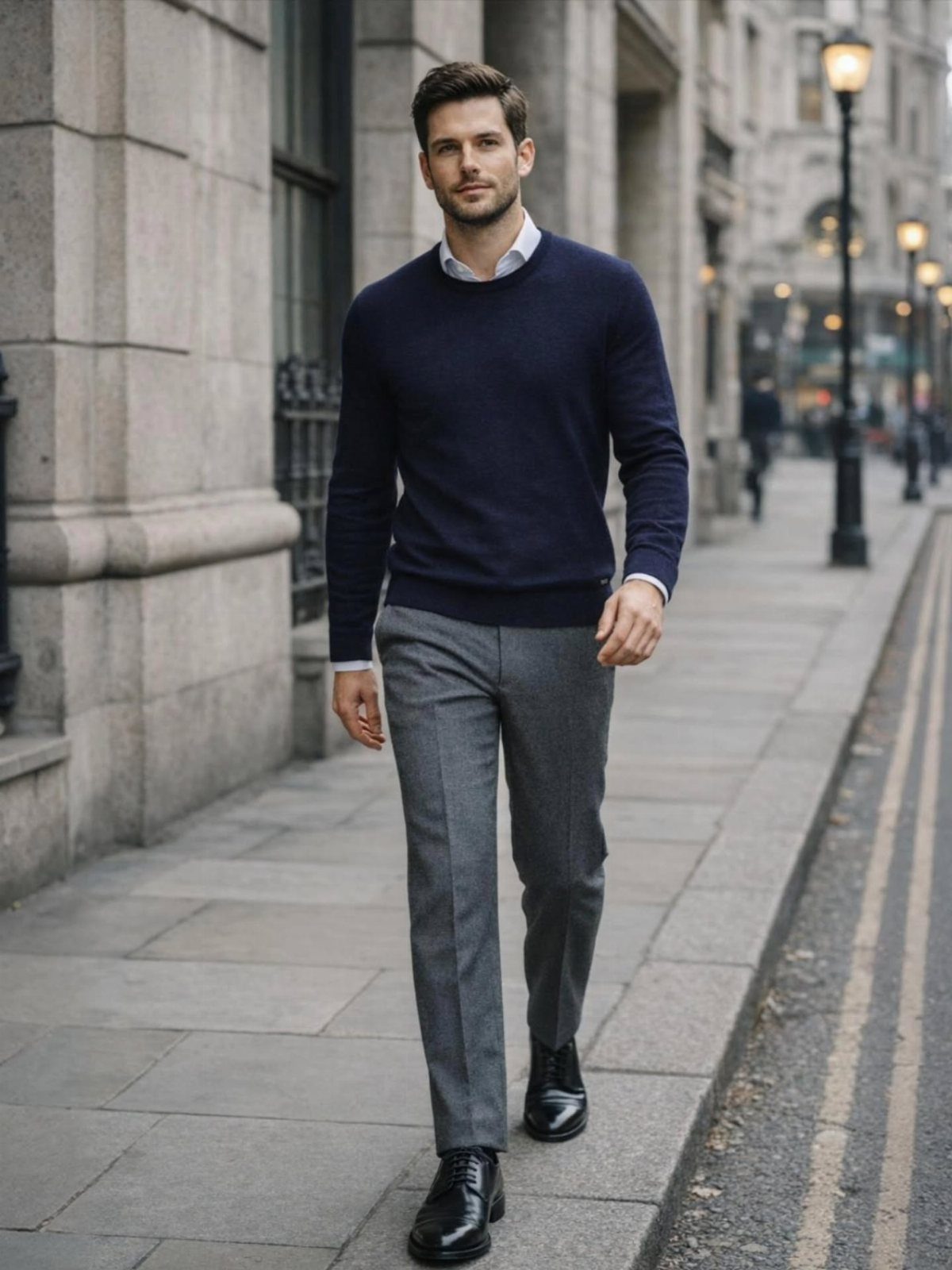
Pull a sweater over a collared shirt and a plain outfit looks finished. Navy is a dependable choice because it pairs with gray trousers and black dress shoes without any fuss.
Keep the collar sitting neatly at the neckline. Choose a sweater that fits close without clinging, so it doesn’t bunch at the waist.
6. T-Shirt and Jeans with Loafers
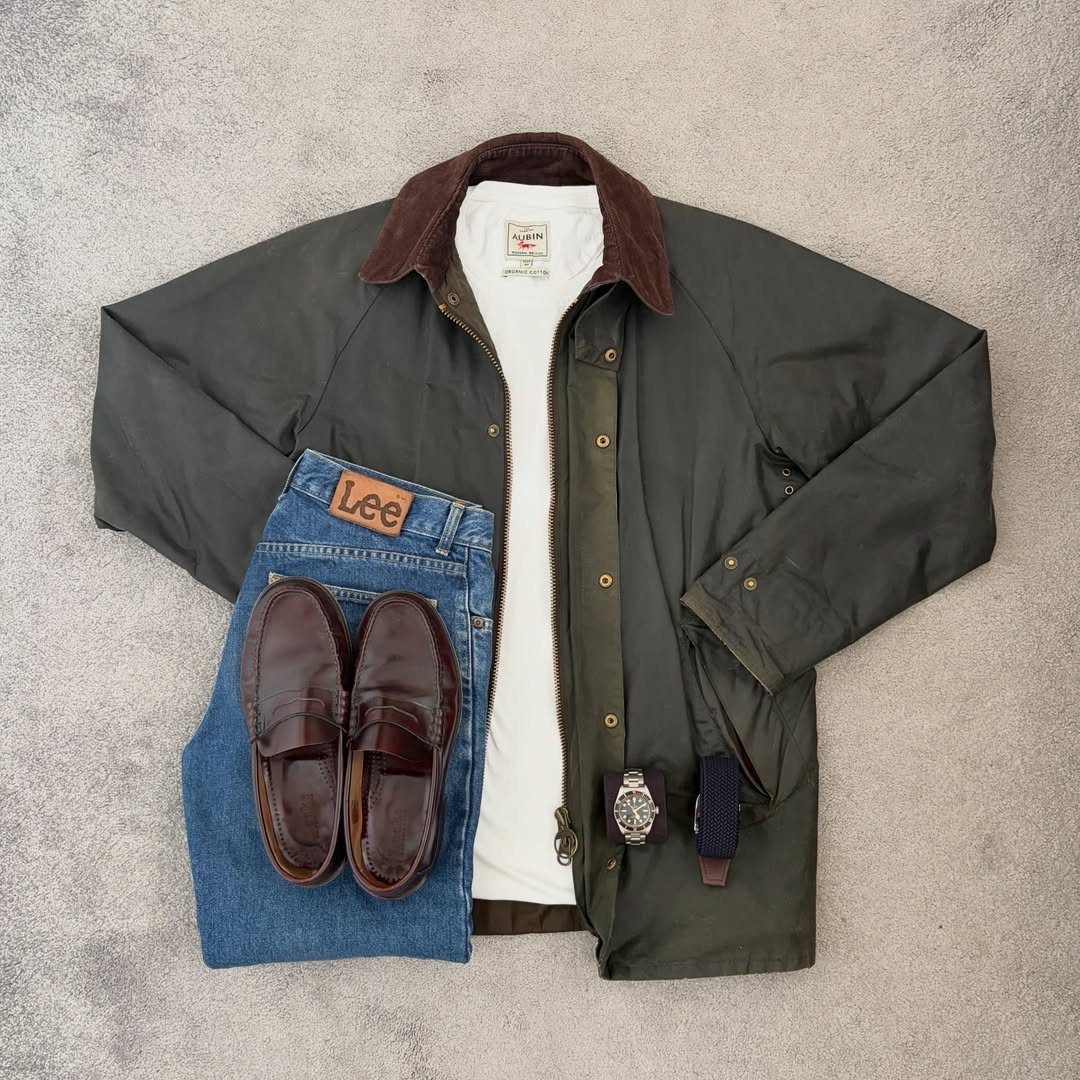
Olive jacket, white tee, blue jeans, brown loafers: the loafers do the work of making the jeans look intentional.} Add a belt and a watch, and the outfit reads as dressed rather than dressed down.
I’d keep the tee plain and clean, since it’s the cheapest piece to replace and the first to show wear. This suits offices that allow denim.
7. Linen Suit with T-Shirt
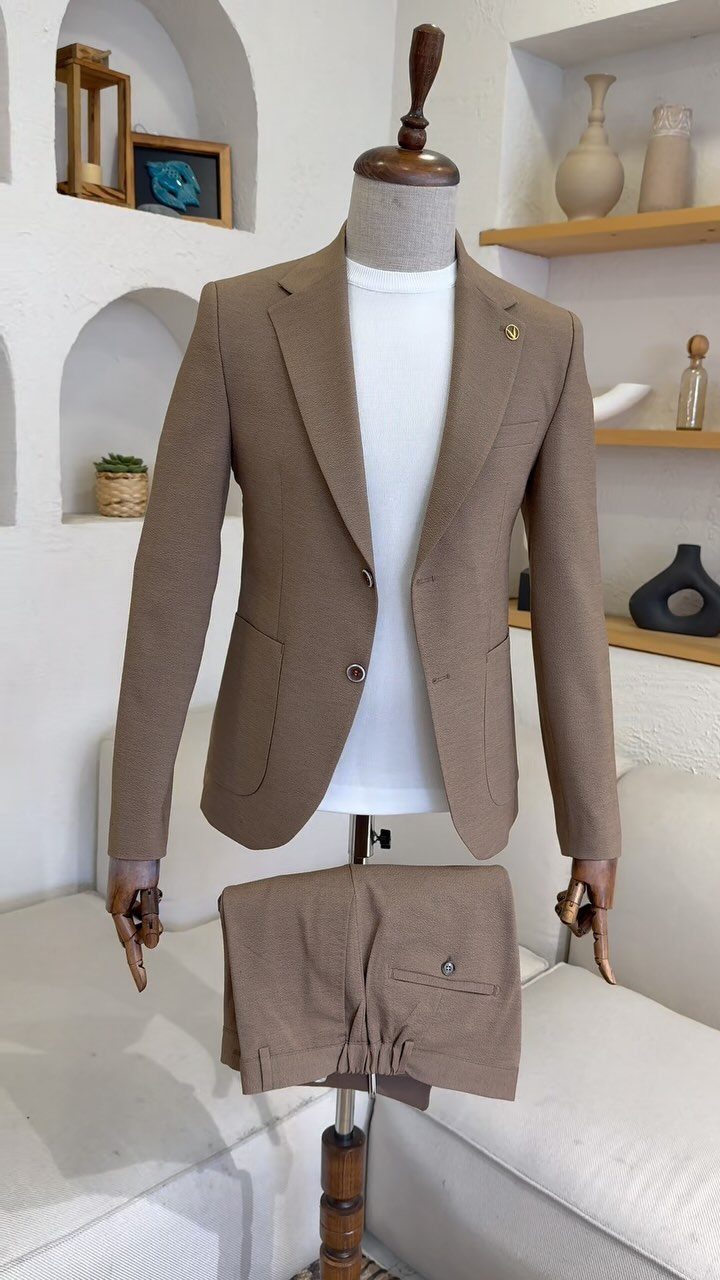
A tan linen suit with a plain white tee underneath is the most relaxed way to wear a suit, and it works because the jacket and trousers match.
A tee in the same tone as the suit, say sand on sand or navy on navy, gives the eye one clean column of color, so losing the collar barely registers.
Choose a crewneck tee in solid white that fits close, with no logo and no pocket.
Linen creases no matter what you do, which is why I press the trousers and wear a fresh, firm cotton tee; those 2 details read as neat even after a few hours of sitting.
I’d add brown loafers and skip the socks if your office allows it.
Both pieces also work apart. The jacket goes over jeans, and the trousers go with a button-down, which makes the suit more than a one-outfit purchase.
This look suits offices that are comfortable with a casual dress code. If yours isn’t, swap the tee for a collared shirt.
Importance of Professional Appearance
Clothes get read before you say a word, and people draw conclusions from them fast.
Science puts the time it takes to form a first impression at milliseconds, so the outfit has done part of the talking before you reach the meeting.
That matters for your career more than most men like to admit. Clean, pressed clothes tell people you take the job seriously, and in client-facing roles they help build trust in your expertise.
Personal style still has a place.
Put it in small choices: a color, a pattern, a texture. Stay inside what your workplace expects for the overall look, then save your taste for the small details like the tie, the socks, or the watch strap.
Adaptability in Dress Codes
Business casual means something different at every company. Tech leans toward shirt and jeans, a look Mark Zuckerberg helped normalize in Silicon Valley, while other industries expect something closer to formal.
Spend a week watching how your colleagues and your boss dress before you buy anything, and read the written policy too, Casual Friday rules included.
Then adjust for the day. A client meeting, a presentation or a team event can each call for a sharper outfit than a regular desk day.
If you work across several offices, expect the standard to shift by location.
When you’re unsure, dress slightly more conservatively. Being a little overdressed costs you less than looking underdressed in front of the wrong person.
Much like how the future of work is rapidly changing and carries layers of complexity, so is business casual.
— BetterUp
Psychological Impact of Dress
Dressing well changes how others treat you, and it shapes how you carry yourself too. Looking put together tends to make you feel more confident, and that shows up in how you handle the day.
Dressing in line with your company’s norms also tells colleagues you respect how the team works. A shared standard tends to make a team feel more unified, and people treat each other with more respect.
So treat the outfit as part of your preparation. On a day with a big presentation or a tough client, choose the clothes that make you feel most sure of yourself.
Frequently Asked Questions
What does business casual clothing mean?
Business casual sits between formal business attire and everyday casual clothes.
It leans more toward business than casual, so a collared shirt, a sweater or a polo with good trousers fits, and a simple test is whether the outfit feels professional.
Dress codes differ from one company to the next, so read the written policy and pay attention to what your boss and coworkers wear on a normal Tuesday before spending money.
What is not acceptable for business casual?
Ripped or heavily distressed jeans, graphic tees, shorts, joggers, athletic shoes, sandals and flip flops are the usual no-gos.
Some offices allow plain jeans or a clean plain tee, but the safe default is a collared shirt or sweater with quiet trousers and loafers.
If you can’t tell where the line sits, lean a notch more conservative; looking a little overdressed rarely hurts you the way looking sloppy does.
What is a relaxed casual dress?
It means comfortable clothing that still looks neat. Fit does most of the work: a slightly relaxed cut looks sharp as long as the clothes are clean and pressed.